Section
Objects
The things inside the rooms, and the reasoning inside the things.

Why doors have panels, rails, and stiles
Doors are a fundamental part of our daily environment, often taken for granted as they quietly perform their function.

The Windshield Wiper and the Human Blink
Windshield wipers are standard on every car, so much so that their presence is taken for granted.

How ornament survives after its original job disappears
In the world of architecture, where function often seems to dominate over form, the presence of intricate decorative elements like mouldings, cornices, and pilasters might appear purely aesthetic.

Wallpaper as Evidence: How Patterns Reveal Lost Interiors
Wallpaper, a ubiquitous presence in many homes, often is considered nothing more than an aesthetic choice. A backdrop for daily life, it is selected to complement furniture, create ambiance, or simply add a splash of color.

Every object was made for a reason — but not always the reason you think
Wandering through a museum, visitors often encounter a variety of objects behind glass, each accompanied by a brief label providing a snapshot of information. Consider an item like a 19th-century flat iron.

The street-facing edge of city life
In the heart of every bustling city, there's an overlooked yet significant aspect of urban architecture that plays a crucial role in daily life: the street-facing edges of homes.

How the Modern Chair Was Invented Twice
Chairs are such a staple of daily life that we rarely pause to think about their design.

Why Rooms Still Wear Baseboards
When you walk into a room, it's easy to overlook the strip of material running along the bottom of the walls. These baseboards often go unnoticed, perceived as mere decorative trim.

The Hidden History of the Door Handle
Door handles are among the most mundane objects in our environment; we use them daily without a second thought. Yet, these simple fixtures are pivotal in shaping how we navigate spaces.

When decoration becomes structure: fittings, ornaments, and objects that blur the line
In the realm of architecture, we often marvel at grand structures and imposing facades, yet overlook the smaller elements that contribute significantly to our interaction with these spaces.

Why so much of the modern world is hidden underground
Modern cities are marvels of human ingenuity, bustling with activity and life. Yet, beneath the surface of these urban environments lies another world, largely hidden from view, but essential to the functioning of the cities above.

How a tubular-steel chair changed the way modern furniture looked and felt
In the realm of modern interior design, the tubular-steel chair is so prevalent that it often blends into the background. Its presence is nearly as commonplace as the light fixtures or the paint on the walls.

Why Open-Plan Living Keeps Getting Rejected
The concept of open-plan living has become synonymous with modern home design, offering a spacious, airy feel that supposedly fosters connectivity and efficiency.

How the Office Chair Learned to Fit the Human Body
In the modern office, the chair is often an overlooked yet indispensable fixture. Its presence is so commonplace that its design and purpose are rarely questioned.

Built-ins, foldaway boards, and other hidden conveniences that made domestic life quieter
In the quiet corners of older homes, you might stumble upon intriguing features like built-in ironing boards, laundry chutes, or even small hatches once used for coal delivery.

Why teapots look the way they do
In the serene corners of kitchens across the world, teapots rest, seemingly simple yet carrying a history as rich and aromatic as the tea they brew.

How the kitchen became a machine for living, and why that changed domestic life
In the heart of most contemporary homes lies a space that buzzes with activity, where culinary efforts blend seamlessly with social interactions.

Furniture as miniature architecture
When you take a moment to examine a piece of modernist furniture—a chair with clean lines or a cabinet with a sleek surface—you might initially see it as a simple, functional object.

Why Curtains Became Architecture’s Softest Wall
Curtains are an everyday feature of our homes, theaters, and various public spaces, often considered little more than decorative elements or essential privacy screens.

Why the open window became a design ideal — and when it stopped being one
The open window has long been a ubiquitous element of architectural design, yet its significance extends beyond its role as a mere passage for light and air.

What Happens When Architecture Becomes a File Instead of a Building?
. In the heart of a bustling city or a quiet suburb, the buildings that shape our environments tell stories of creativity, functionality, and history.

Why the Fork Won: How a Controversial Tool Became Table Default
The fork, a ubiquitous presence on dining tables across the globe, stands quietly next to its fellow utensils, the knife and the spoon. It’s a tool so integrated into our daily lives that its historical journey is often overlooked.
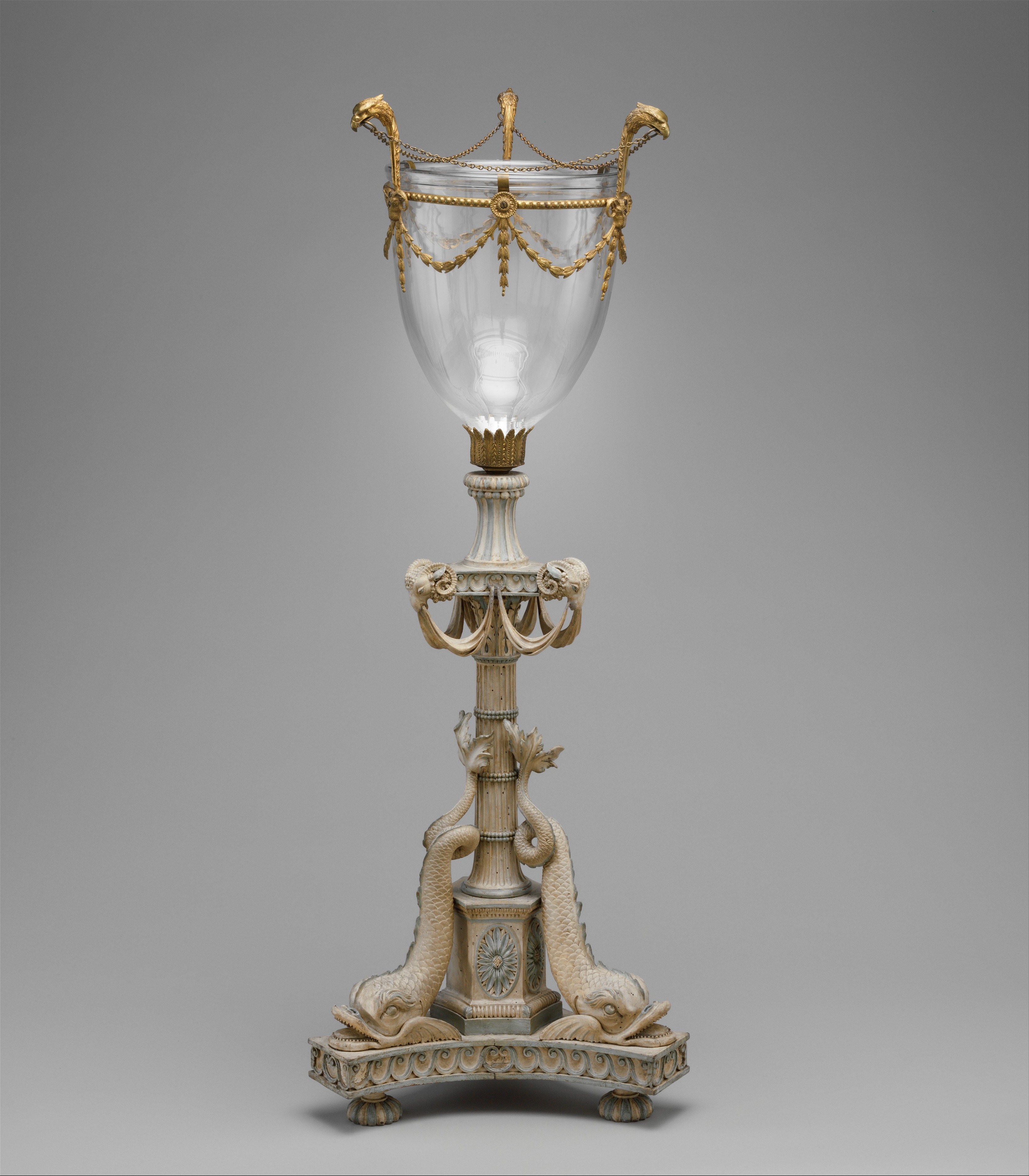
When Furniture Started Acting Like Architecture
In the realm of modern interiors, furniture has evolved from being mere objects of utility to becoming pivotal elements that define how spaces function and flow.

Why Arts and Crafts keeps returning whenever design feels fake
In a world where design trends often prioritize sleekness and minimalism, rooms filled with handcrafted items and natural materials can feel like a breath of fresh air.
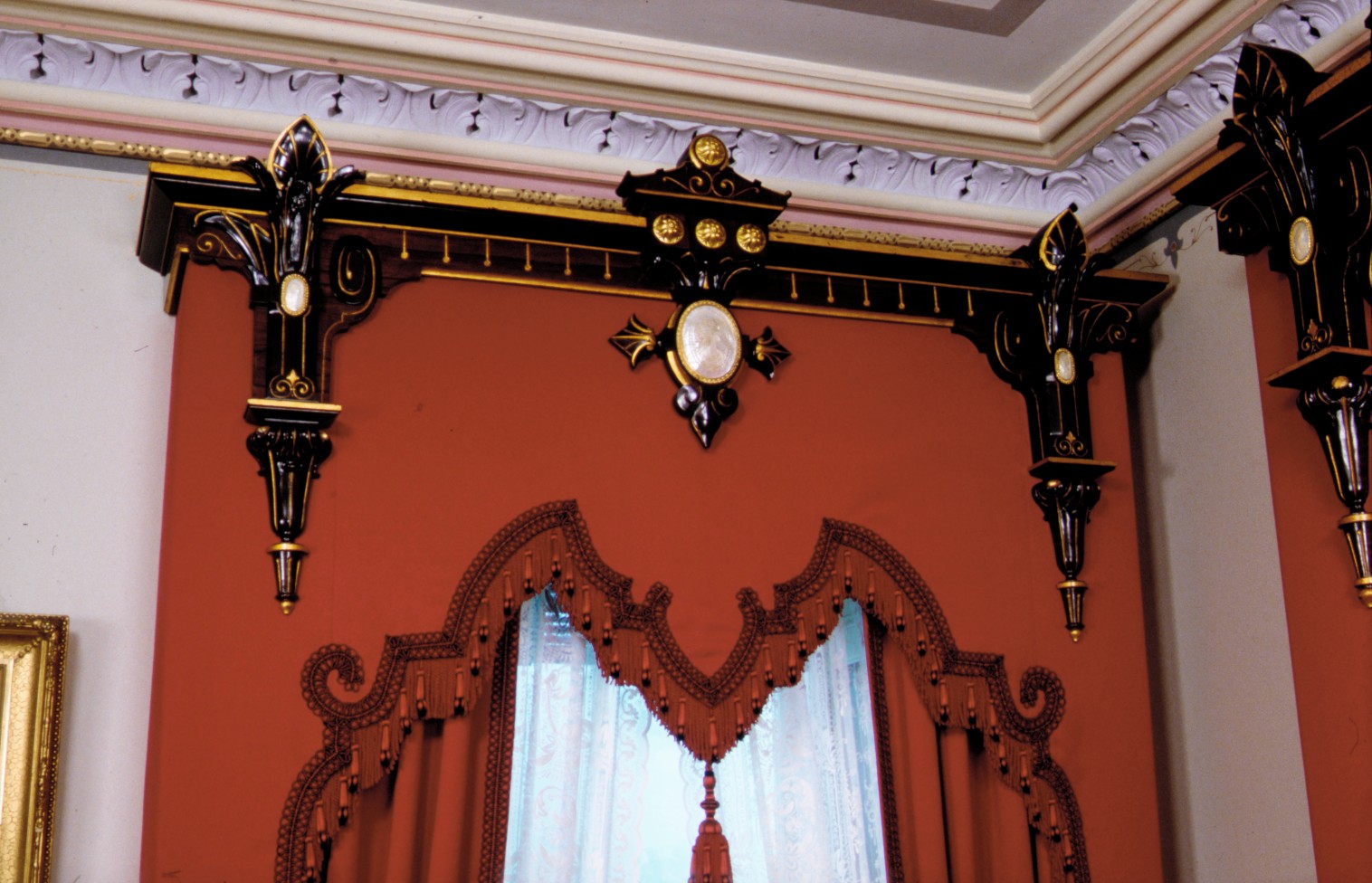
Cornices: decorative trim, fire protection, status signal, and visual lie
Cornices are a common architectural element that many people might overlook as mere decoration.
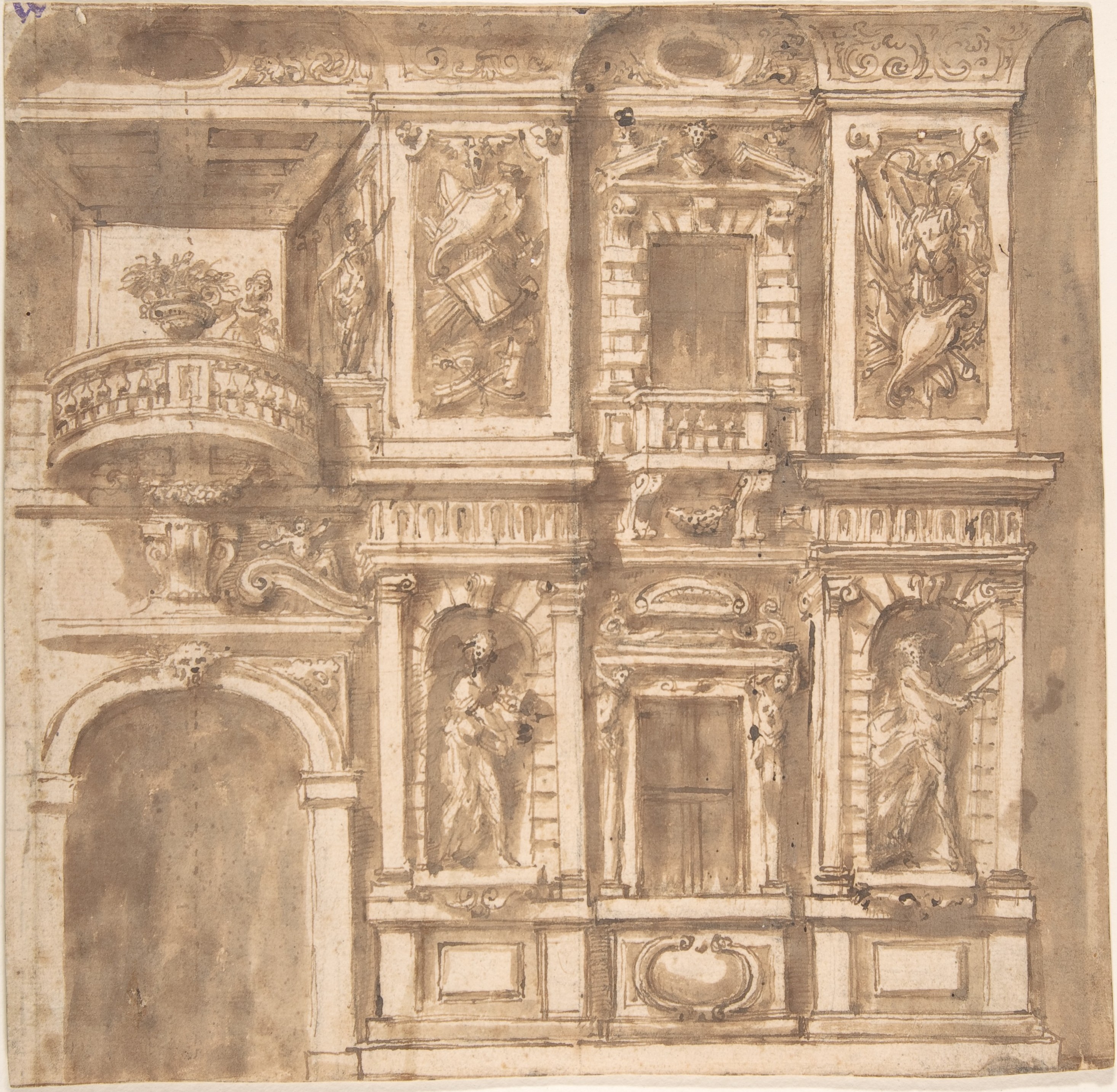
The Architectural Niche: A Hole in the Wall With 2,000 Years of Reasons
In many modern homes, niches are present as recessed shelves in spaces like bathrooms or living rooms. They seem intuitive, offering a handy spot for storage or a display area for art and photographs.
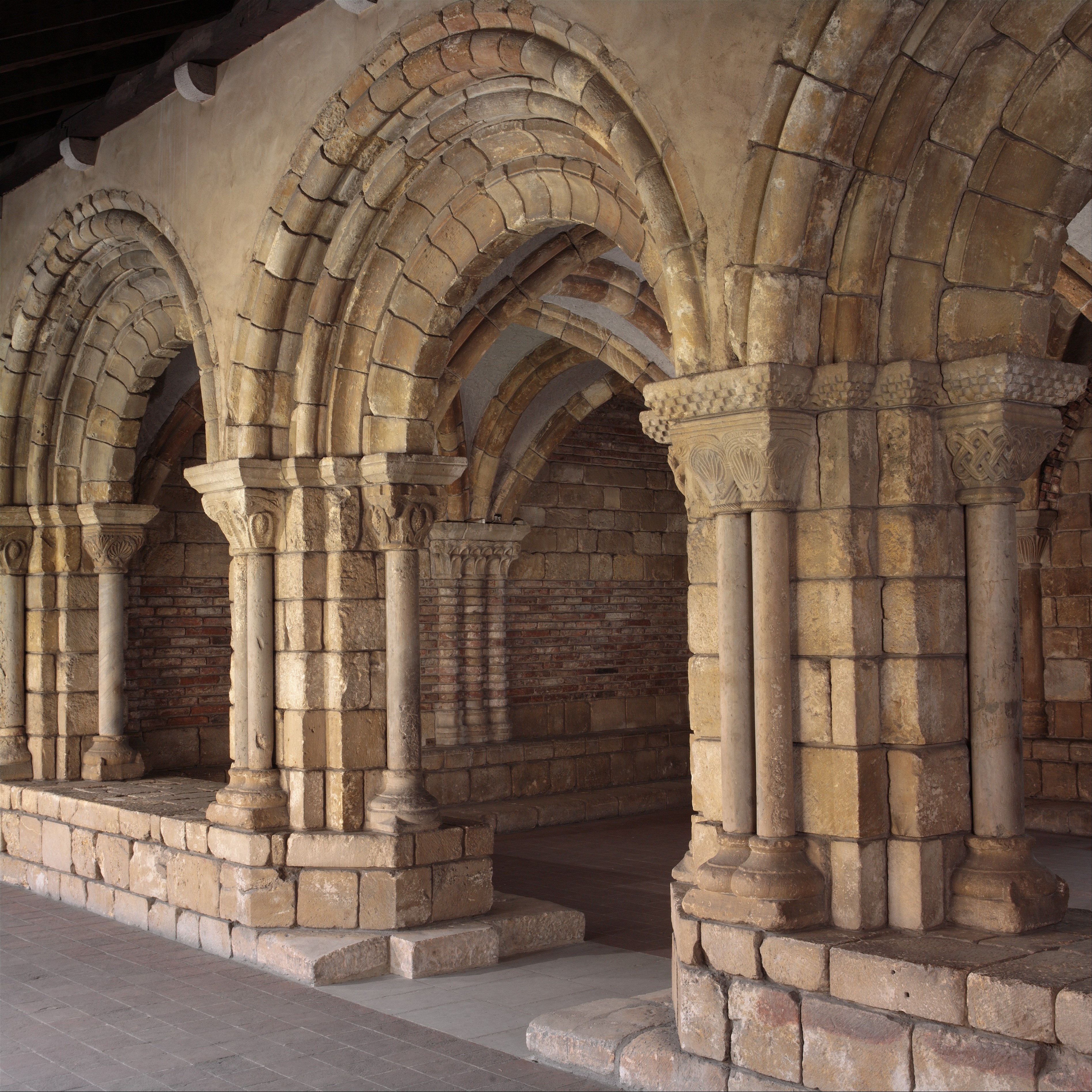
Who Decides What Gets Saved? The Hidden Politics of Architectural Heritage
When wandering through the cobbled streets of an ancient city or marveling at the intricate facades of a preserved historic building, one might assume that these sites have always been cherished for their historical and cultural significance.

Why old apartments have mystery closets, murphy beds, and other odd built-ins
Walking into an old apartment, you're likely to encounter features that seem out of place in the context of modern living.
Why the Window Became the Real History of Architecture
Walk through any city, and one of the most omnipresent features you'll encounter is the window. These transparent rectangles and squares punctuate the facades of every building, from humble homes to towering skyscrapers.
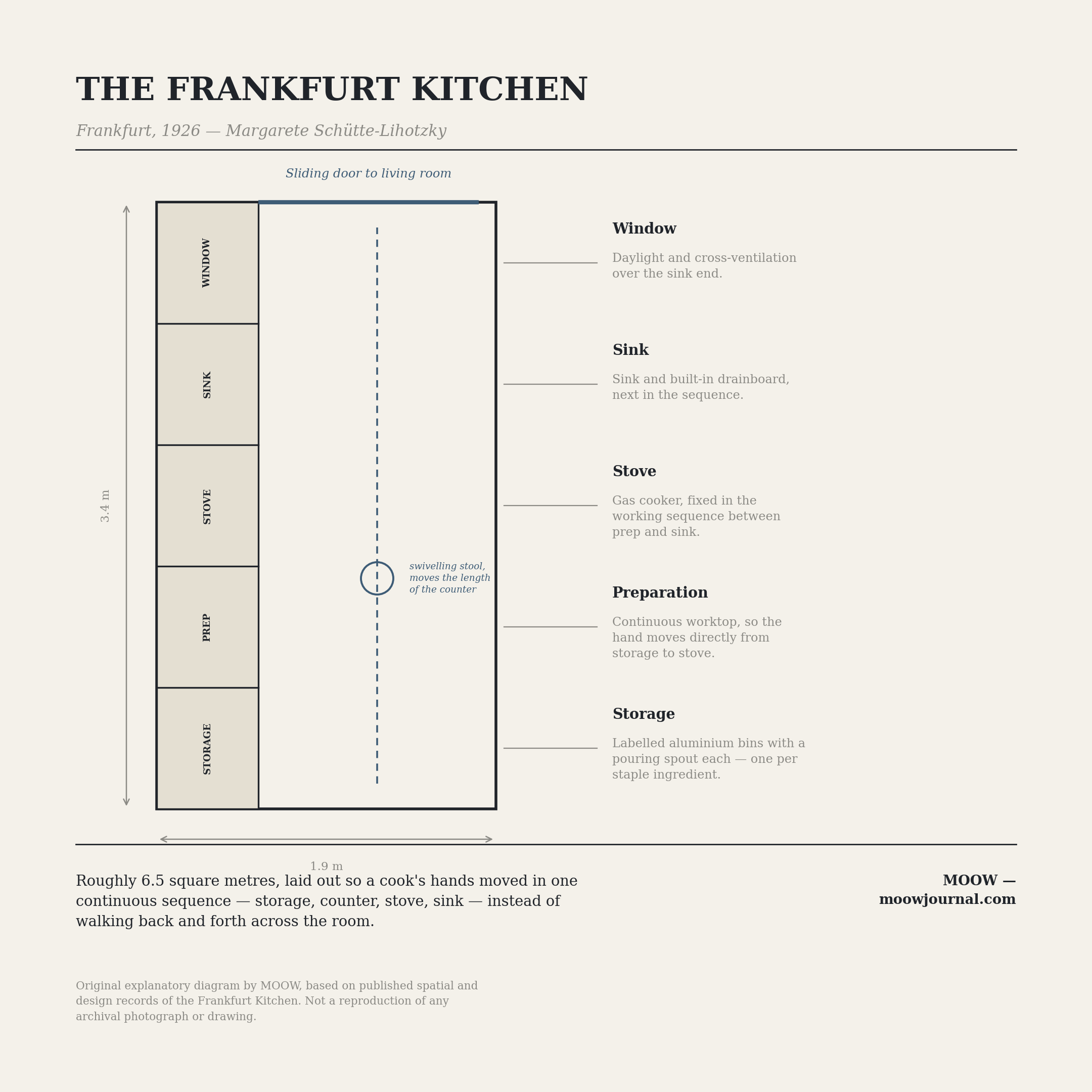
Why the Frankfurt Kitchen Became the Template for Modern Domestic Life
Today's kitchens often stand as a testament to sleek, efficient design, where culinary tasks are streamlined, every tool has its place, and surfaces are designed for easy maintenance.