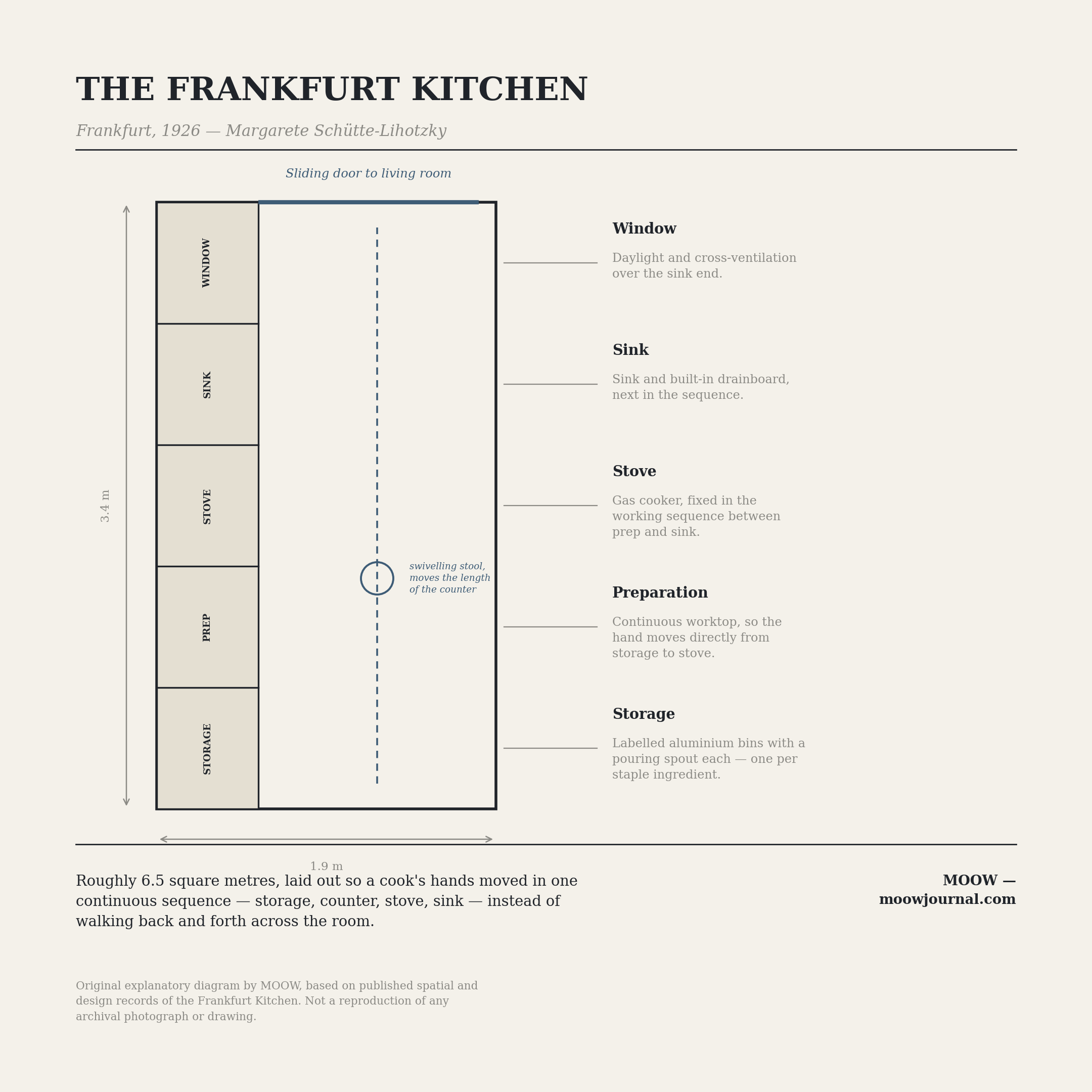
Built-ins, foldaway boards, and other hidden conveniences that made domestic life quieter

In the quiet corners of older homes, you might stumble upon intriguing features like built-in ironing boards, laundry chutes, or even small hatches once used for coal delivery. These elements, easily overlooked today, were once at the forefront of domestic innovation, serving as silent witnesses to the rhythm of household life. But what motivated the inclusion of these conveniences in home design?
To understand their significance, we must first consider the nature of domestic labor in the past. Household chores were relentless, demanding, and largely unseen, yet they were critical to the functioning of a home. This hidden yet vital labor often fell to the women of the household, whose days were filled with tasks that were both physically demanding and time-consuming. Architectural features like built-ins and chutes were not mere curiosities; they were deliberate solutions aimed at easing the burden of these daily responsibilities.
Take, for instance, the coal chute. In an era when coal was a primary source of heating, it wasn’t just a convenience but a necessity. The chute allowed for coal to be delivered directly to the basement, reducing the need for homeowners to haul heavy bags through the house. This not only minimized mess and effort but also made the chore of heating more efficient. Such features reflect a time when the daily logistics of home heating required careful consideration and planning, and when a simple architectural adjustment could significantly improve household efficiency.
Similarly, the laundry chute addressed the cumbersome task of transporting dirty linens and clothes between floors. Before the advent of modern washing machines and dryers, doing laundry was a physically taxing process. The chute offered a straightforward logistical solution, allowing gravity to assist in moving laundry from the upper floors to the basement or utility area where it was washed. In this way, the chute exemplified an early form of household automation, subtly integrating convenience into the architecture of everyday life.
Ironing, too, was a significant domestic activity, and built-in ironing boards represented an ingenious approach to conserving space and reducing effort. As the 19th century progressed, various patents emerged for foldaway designs that could be neatly tucked away when not in use. This innovation recognized the frequent need for ironing in a time before permanent-press fabrics and modern irons, turning what could be a cumbersome setup process into a seamless one.
Mail chutes also deserve mention. First introduced in the late 1800s, they reflect a response to the increasing volume of correspondence as cities grew and postal systems expanded. By integrating mail collection into the building itself, these chutes made the process of sending letters as effortless as dropping them into a slot, subtly accommodating the growing demands of communication within urban environments.
These features did more than alleviate physical labor; they transformed the home into a machine for living. By incorporating conveniences that streamlined daily tasks, these architectural elements helped separate service work from family life, making the invisible labor less intrusive. They allowed for a more organized and efficient household, subtly elevating the quality of domestic life.
However, as technology advanced and societal norms shifted, many of these features became obsolete. Centralized heating systems replaced coal furnaces, modern appliances revolutionized laundry care, and new postal systems rendered mail chutes unnecessary. Despite their decline in practical use, these remnants of a bygone era still offer valuable insights into the domestic challenges of the past.
Today, when we encounter these features in older homes, they invite us to reconsider our understanding of historical domesticity. Far from being mere quaint relics, they represent sophisticated solutions that addressed the specific challenges of their time. In a world where convenience often means digital and automated, these physical, tangible solutions serve as a reminder of the ingenuity employed in making life more manageable.
As we move through spaces that incorporate such bygone conveniences, we gain a deeper appreciation for the ways in which architecture once played a crucial role in managing the demands of daily life. These features, though hidden and perhaps forgotten, continue to tell stories of adaptation and innovation, encouraging us to reflect on the evolution of home design and the ongoing quest to balance work and comfort within our living spaces.