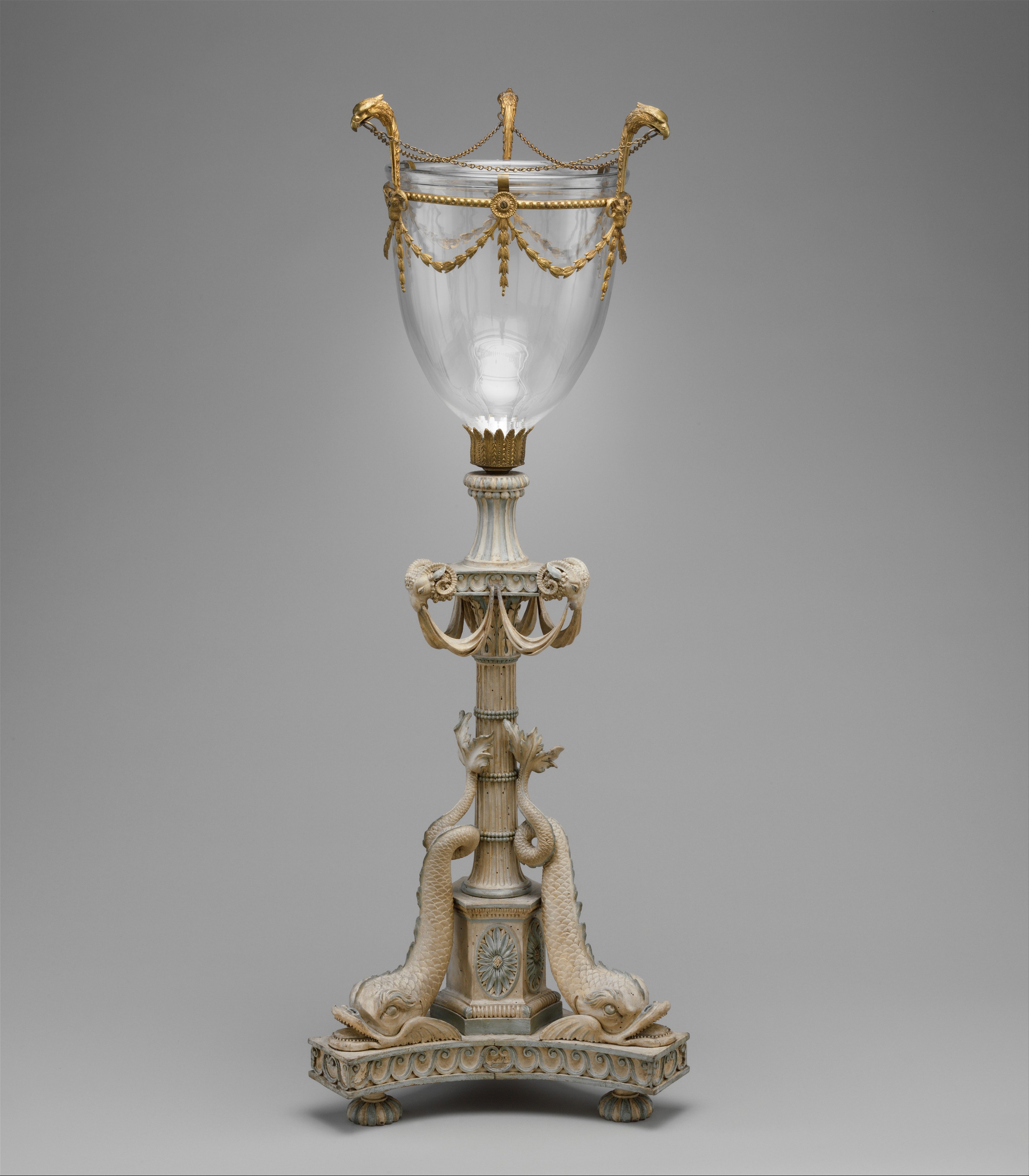
When Furniture Started Acting Like Architecture
In the realm of modern interiors, furniture has evolved from being mere objects of utility to becoming pivotal elements that define how spaces function and flow.
Architecture, interiors and objects — and why they became the way they are.
When we enter a museum, the experience often feels carefully orchestrated. The path through the exhibits is laid out with precision, each object positioned to capture our attention.
Read the story
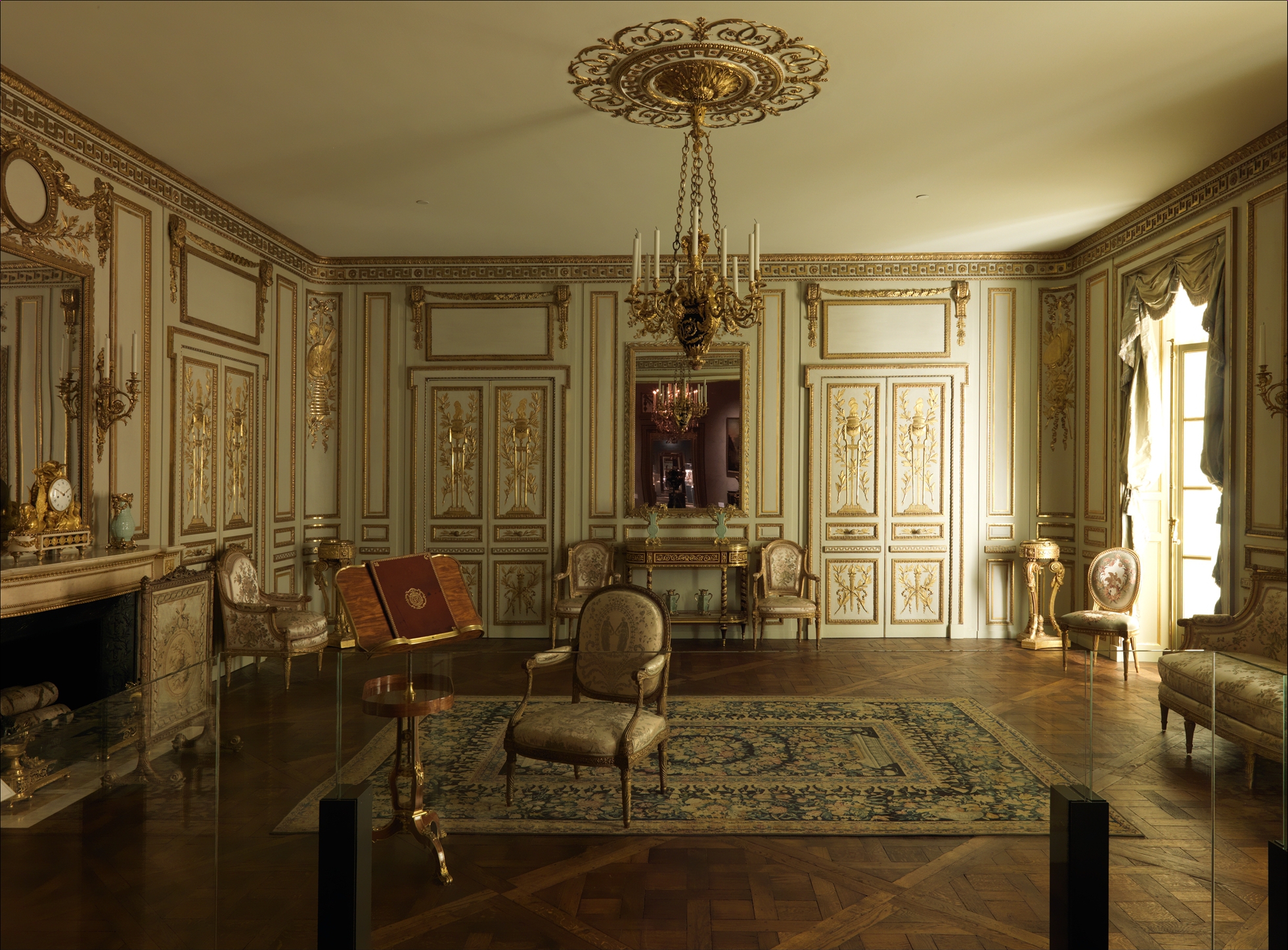
In the realm of modern interiors, furniture has evolved from being mere objects of utility to becoming pivotal elements that define how spaces function and flow.
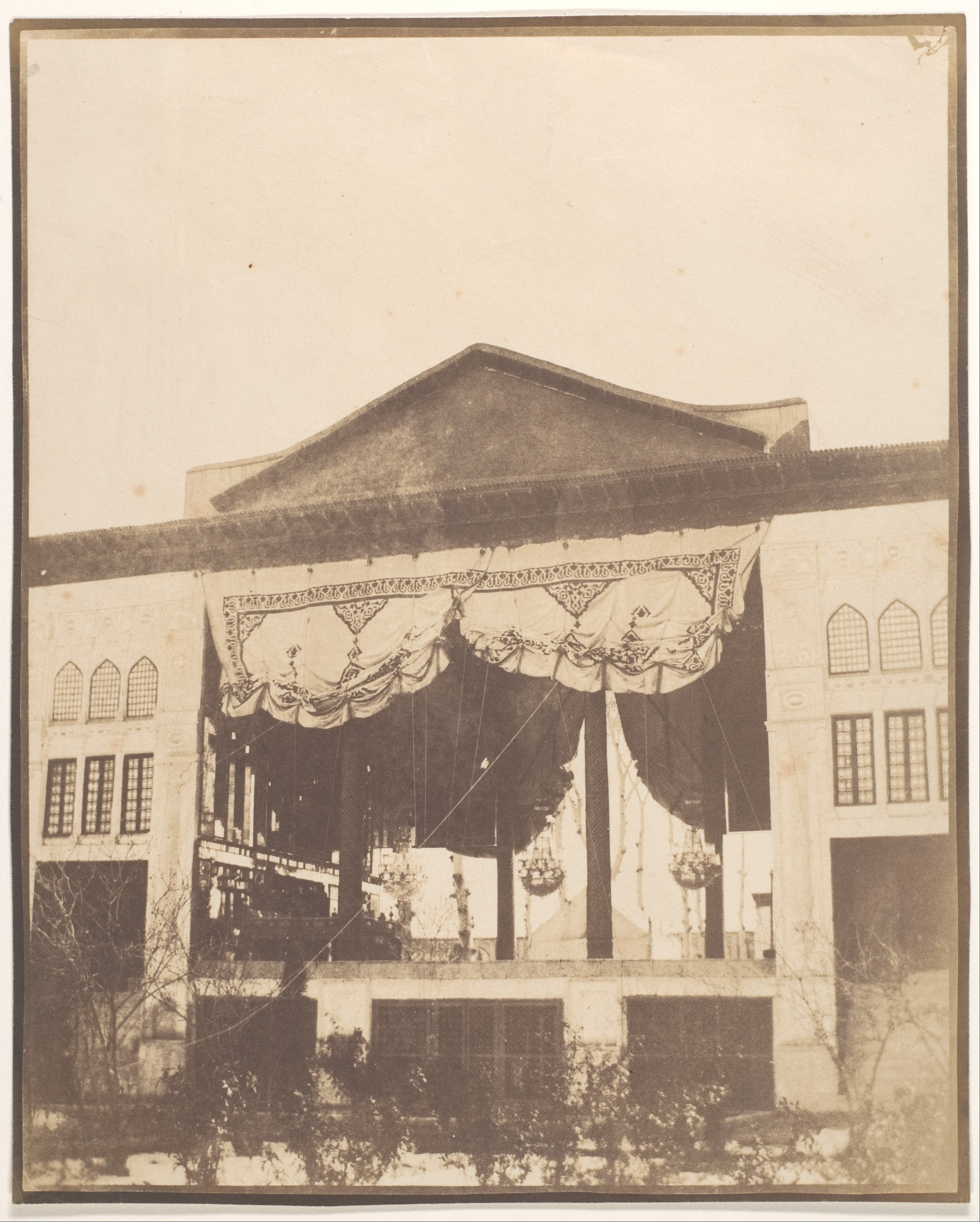
Visitors to the Freer Gallery of Art in Washington, D.C., often find themselves entranced by the Peacock Room's opulence.

In a world where design trends often prioritize sleekness and minimalism, rooms filled with handcrafted items and natural materials can feel like a breath of fresh air.
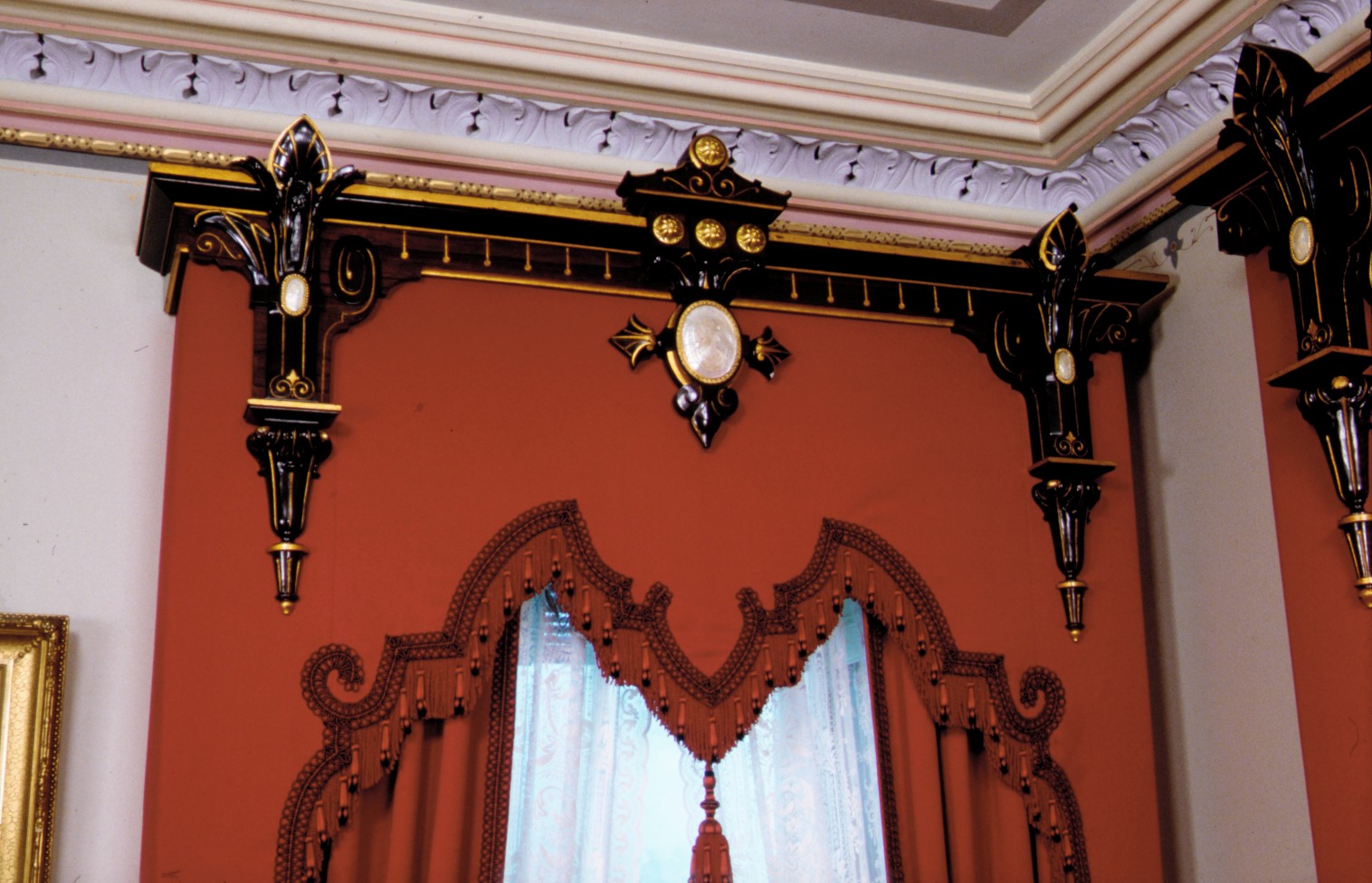
Cornices are a common architectural element that many people might overlook as mere decoration.
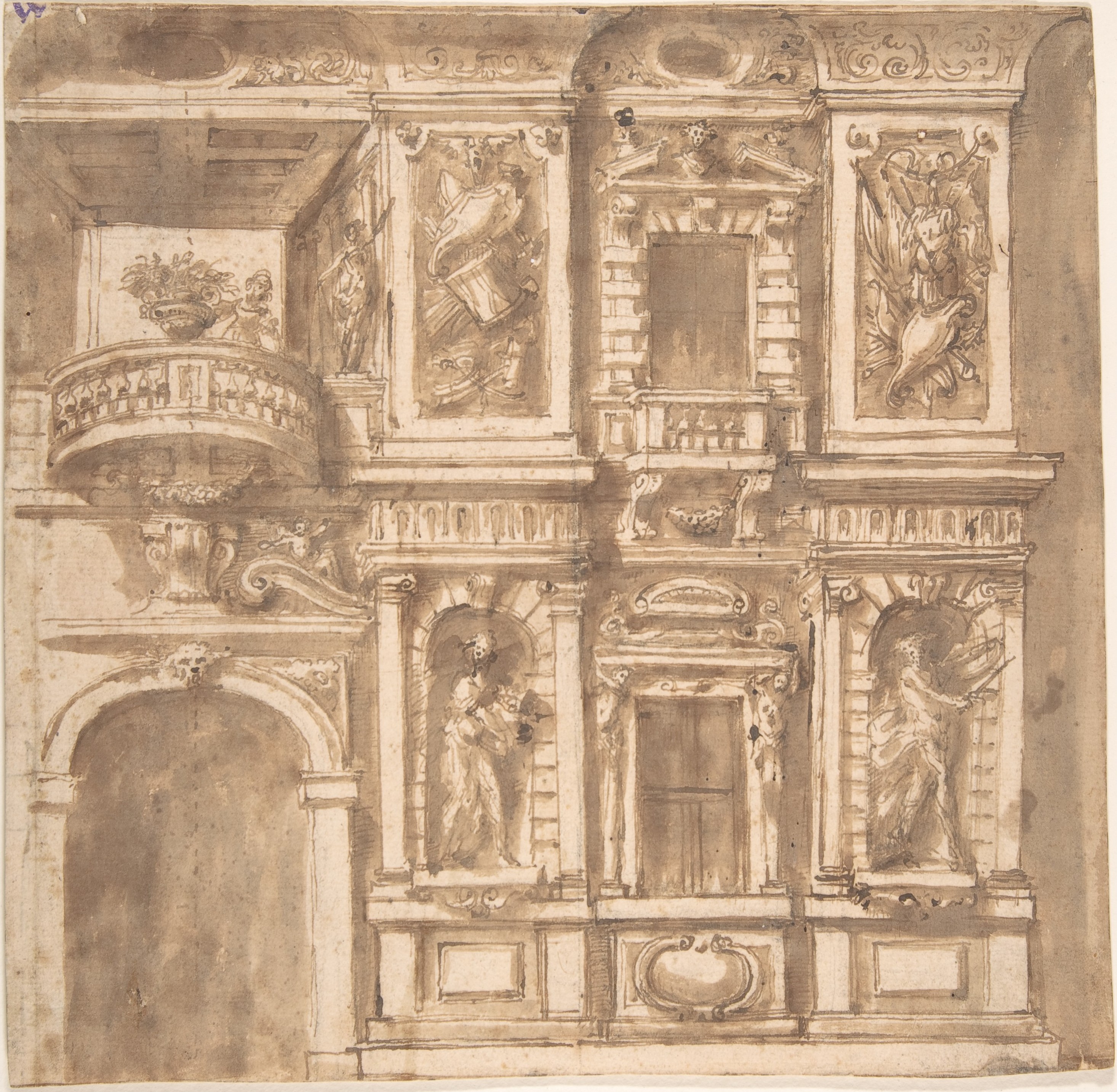
In many modern homes, niches are present as recessed shelves in spaces like bathrooms or living rooms. They seem intuitive, offering a handy spot for storage or a display area for art and photographs.
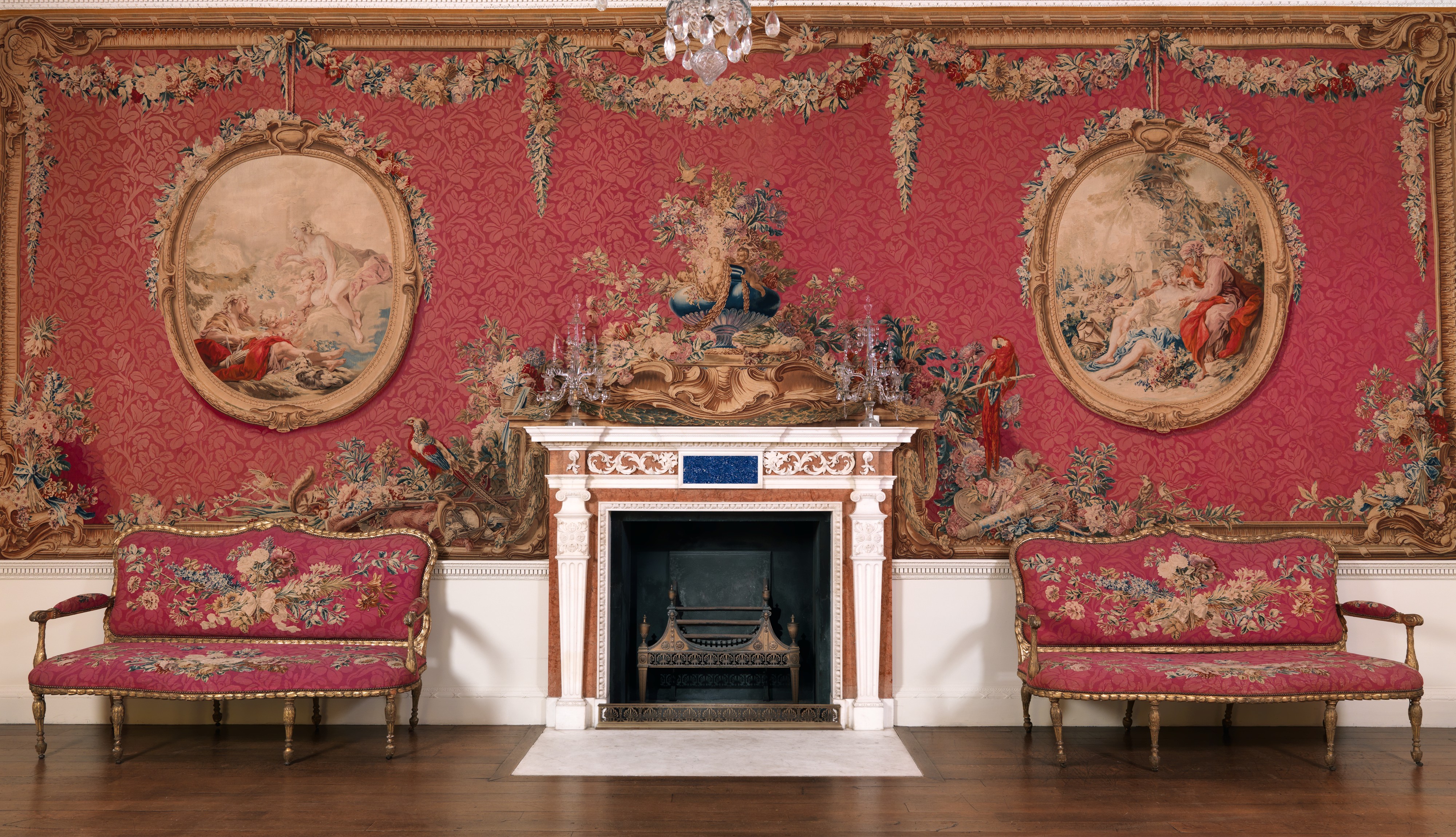
Museums are often thought of as places where history lives, where the past is preserved and displayed for all to see. Among the various ways history is presented, period rooms hold a unique position.
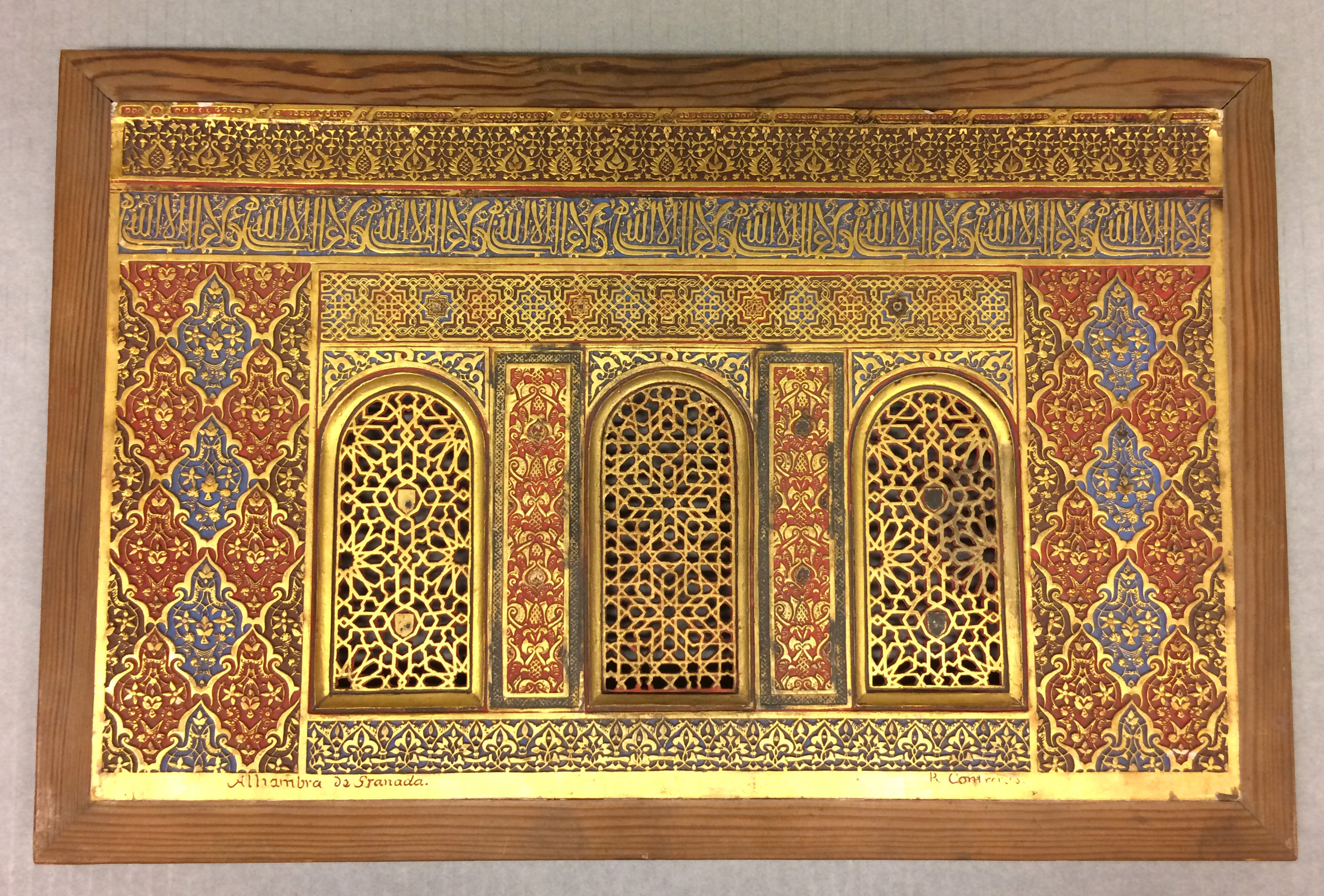
Architectural models, often encased in pristine glass boxes within museums and galleries, invite admiration for their intricate craftsmanship and attention to detail.
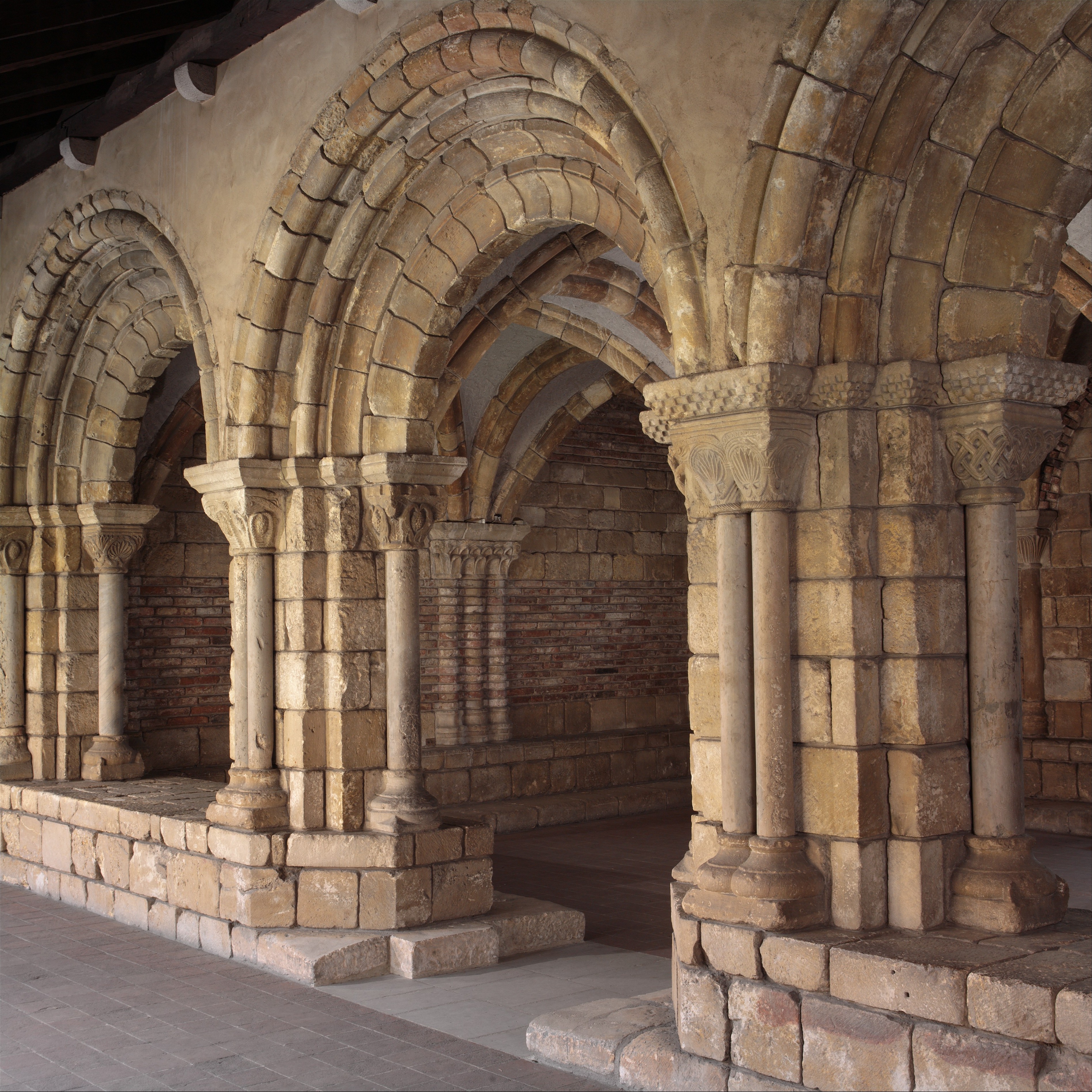
When wandering through the cobbled streets of an ancient city or marveling at the intricate facades of a preserved historic building, one might assume that these sites have always been cherished for their historical and cultural significance.

Walking into an old apartment, you're likely to encounter features that seem out of place in the context of modern living.