Why period rooms feel persuasive, and why museums keep rethinking them
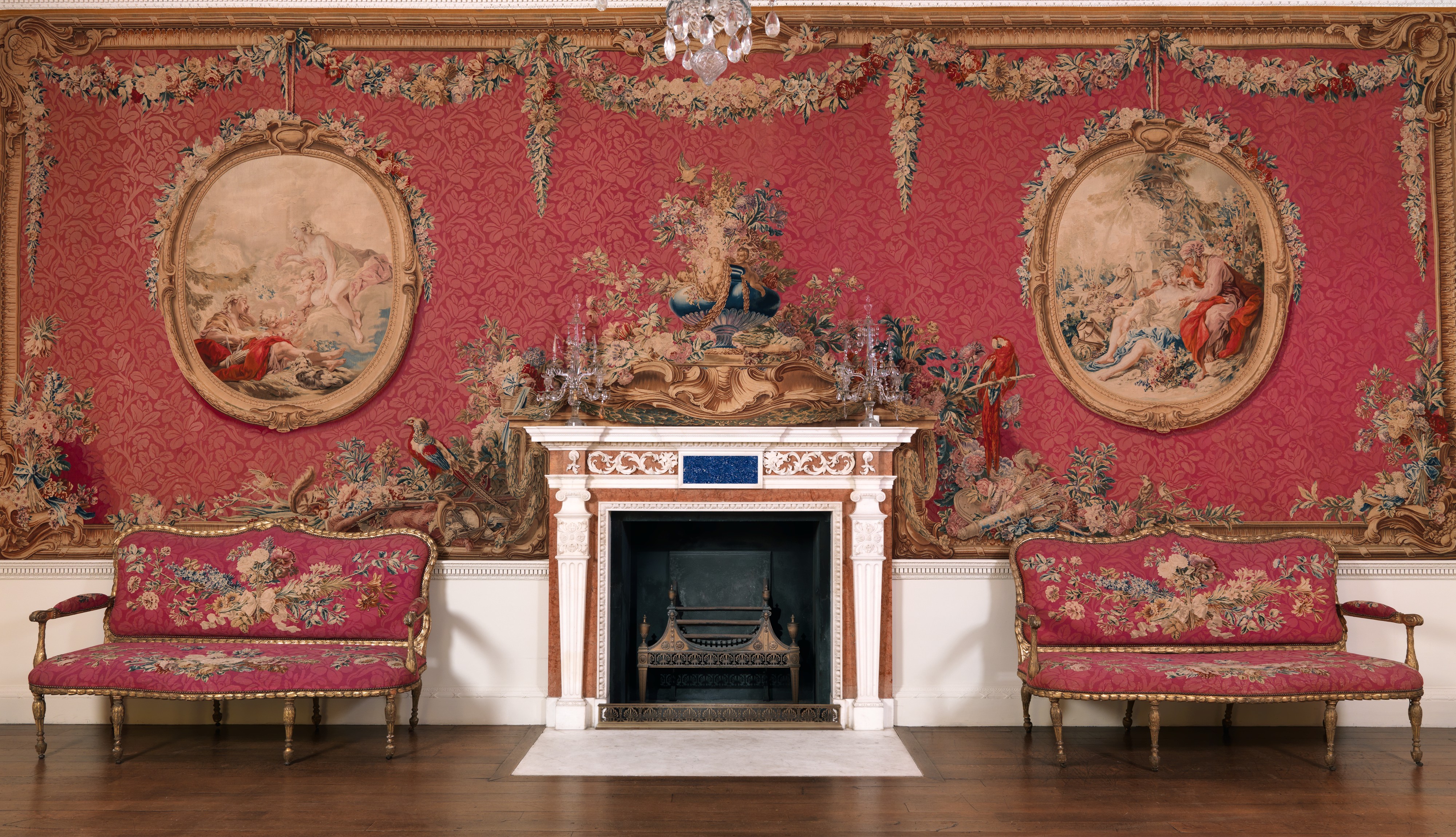
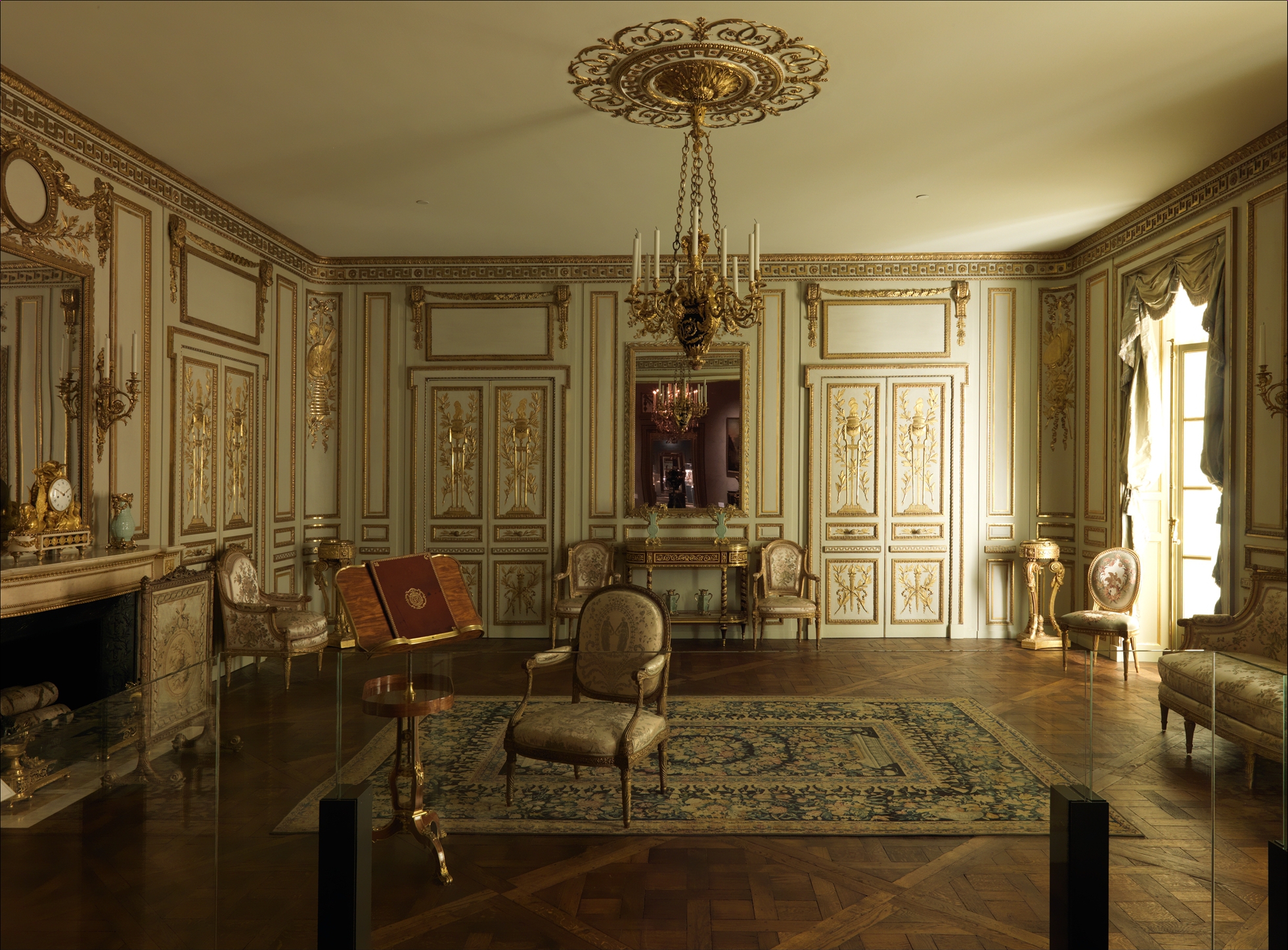
Museums are often thought of as places where history lives, where the past is preserved and displayed for all to see. Among the various ways history is presented, period rooms hold a unique position. These are spaces within museums that recreate interiors from specific historical periods, complete with furniture, decorations, and architecture that suggest a particular time and place. Visitors stepping into these rooms frequently note a sense of having entered another era. But why do these settings resonate so strongly, and what are the implications of their continued use in museums?
The allure of period rooms lies in their ability to create a convincing environment. By arranging objects and décor in a coherent fashion, they suggest an authentic slice of history. The visual harmony and attention to detail in these spaces give them a persuasive power, making the past feel tangible and real. Yet, this perception of authenticity is built on a carefully curated selection of objects and styles that might not fully represent the complexities of the time they aim to depict.
The concept of period rooms has its roots in the late 19th and early 20th centuries. At that time, museums sought ways to provide context for their collections of decorative arts. By placing these objects within a recreated historical setting, visitors could appreciate them in a more familiar context. This method was highly effective in engaging audiences, offering a vivid and relatable experience of history. However, this approach also led to certain challenges. By presenting a single, cohesive narrative, period rooms can inadvertently simplify or even distort historical realities.
Critics have pointed out that these historical recreations often overlook the social and cultural complexities of the periods they represent. The selection of items and their arrangement tend to reflect the tastes and preferences of museum curators, which can lead to a skewed portrayal of history. Certain narratives are highlighted, while others, particularly those of marginalized groups, may be overlooked or underrepresented. This can result in a version of history that is more palatable but less accurate.
In response to these critiques, many museums are re-evaluating their approach to period rooms. Institutions such as The Metropolitan Museum of Art in New York and the Victoria and Albert Museum in London are leading the way in rethinking how these spaces can be used to engage with history. Rather than presenting them as static windows into the past, these museums are treating period rooms as interpretive spaces that acknowledge their own constructed nature.
One innovative example is The Met’s Afrofuturist period room, which diverges from traditional narratives by incorporating elements that explore the history and future possibilities of Seneca Village, a 19th-century African American community in New York. By blending historical and speculative elements, this room challenges visitors to think about history as a living, interconnected narrative rather than a series of isolated events. This approach acknowledges the fictional aspects of period rooms and invites viewers to consider how history is constructed and interpreted.
Similarly, the V&A has been exploring ways to present period rooms that reflect the uncertainties and complexities of history. Instead of striving for exact replicas, they view these installations as research-driven reconstructions, where decisions about architectural details like walls and windows are informed by historical evidence but also by gaps in that evidence. This transparency in the presentation encourages visitors to ask questions about what they are seeing and to recognize that history is not a fixed narrative but an evolving story that can be interpreted in multiple ways.
The shift in how period rooms are presented represents a broader trend in museology towards greater transparency and inclusivity. By acknowledging the curated nature of these spaces, museums are not only preserving the emotional and educational power of period rooms but also enhancing their role as active participants in the dialogue about history. This rethinking encourages visitors to not only engage with what is shown but also to consider what might be missing from these narratives.
In this way, the familiar period room becomes more than just a nostalgic journey through time. It transforms into a space for critical engagement, prompting visitors to question their assumptions about history and to consider the diverse stories that contribute to our understanding of the past. As museums continue to explore new ways of presenting history, period rooms are likely to evolve further, offering new insights and challenging our perceptions of authenticity and historical truth.