Why old apartments have mystery closets, murphy beds, and other odd built-ins

Walking into an old apartment, you’re likely to encounter features that seem out of place in the context of modern living. There’s the small closet that doesn’t quite fit a wardrobe, a sealed door that appears to lead nowhere, or perhaps even a foldaway Murphy bed that emerges from the wall with a satisfying click. At first glance, these elements might strike you as quaint or even puzzling, but they are more than just architectural oddities. These features are in fact remnants of a bygone era, offering a fascinating glimpse into the history of urban living and the social norms that shaped it.
Let’s delve into the story behind one of the most iconic of these features: the Murphy bed. Invented around 1900 by William L. Murphy, a man living in a small San Francisco apartment, this piece of furniture was born out of necessity. At the time, social conventions dictated that it was improper to entertain guests in one’s bedroom. Murphy, seeking a solution to his spatial constraints, devised a bed that could fold into a wall, thus transforming his bedroom into a parlor suitable for hosting company. This ingenious design allowed rooms to serve dual purposes, a concept that resonated with many city dwellers of the era who were grappling with limited living spaces.
The seemingly peculiar closets and sealed doors one might encounter in such apartments are similarly steeped in history. Many of these buildings once operated as residential hotels, which were popular during the early 20th century. In these settings, space was at a premium, and rooms needed to be versatile. Closets often had dual functions; some were designed to hold foldaway furniture like Murphy beds, while others served as access points for utilities or even as passages for service staff. These design choices reflect a time when the practicalities of living in dense urban environments necessitated innovative solutions.
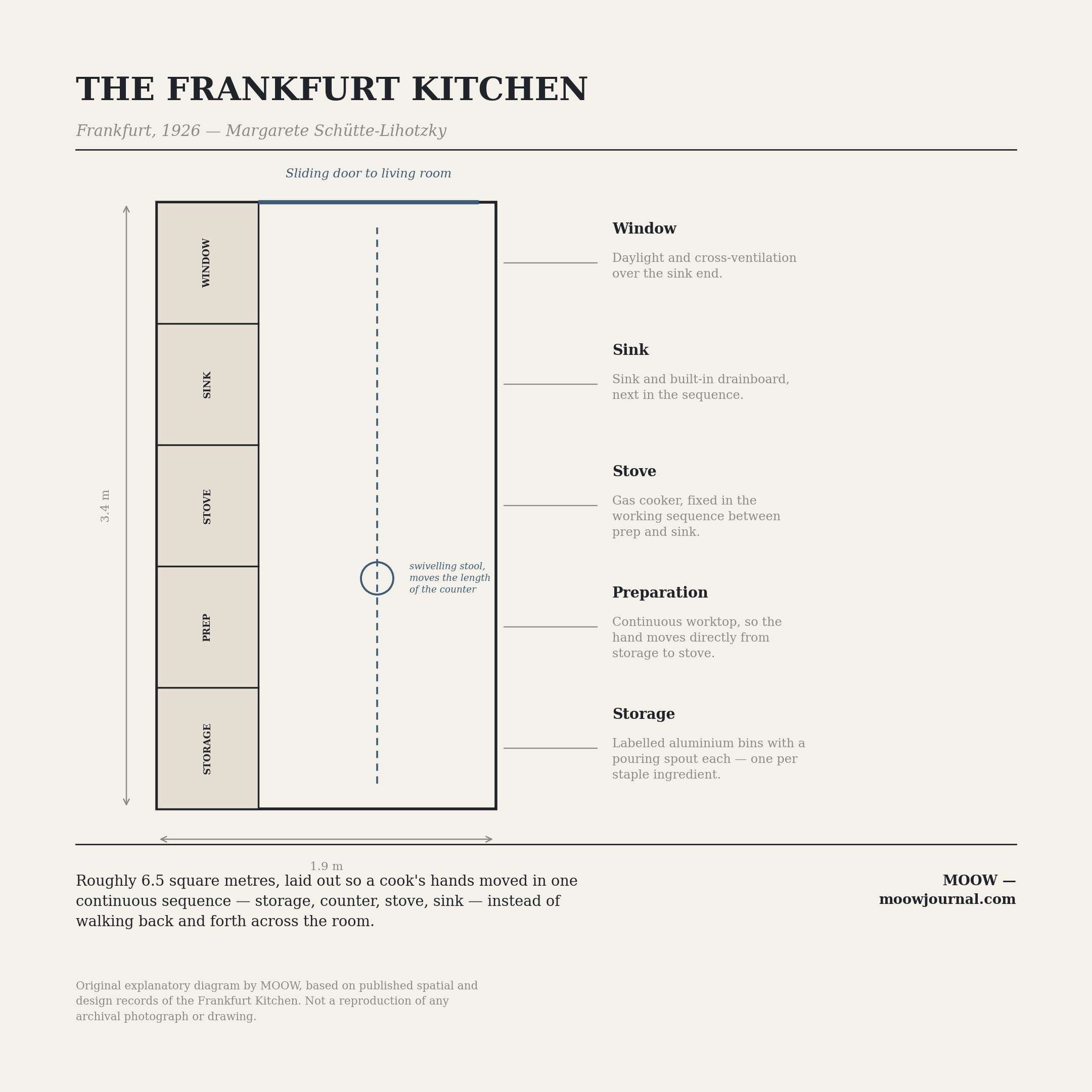
Before the advent of the modern closet, built-in storage solutions were a hallmark of apartment design. Influenced by styles such as those of the Shakers, these features were integral to the building’s architecture, designed with specific functions in mind. Cupboards and drawers would be built into walls, maximizing efficiency and minimizing clutter. This approach to storage was not just practical; it was a reflection of a lifestyle where every inch of space had to be utilized thoughtfully.
Understanding the context of these architectural features changes our perception of them. They are not mere relics to be dismissed or ignored but are instead keys to unlocking stories from the past. These elements speak to an era when city living was constrained by both physical space and societal expectations, leading to creative solutions that ensured privacy and adaptability. As contemporary apartment designs favor open-plan layouts and minimalist aesthetics, the presence of these historical features serves as a reminder of a time when ingenuity was required to make city living feasible.
The next time you find yourself in an older apartment, take a moment to consider the origins of its curious features. The small closet that seems too cramped for modern use once played a crucial role in the daily lives of its inhabitants. The sealed door may have been part of a network of hidden passages that facilitated the discrete movement of service staff. And the Murphy bed, now a novelty, was once a cutting-edge solution to the challenges of urban living.
These features, while seemingly minor, offer a window into the past. They remind us that the spaces we inhabit are shaped not just by current trends and technologies, but by the needs and norms of those who came before us. In recognizing these elements as historical artifacts, we gain a deeper appreciation for the ingenuity and adaptability that characterized urban life in the past. As we look to the future of apartment design, these lessons from history might inspire new ways to approach the challenges of urban living today.