Why models, maquettes, and miniature architecture matter so much
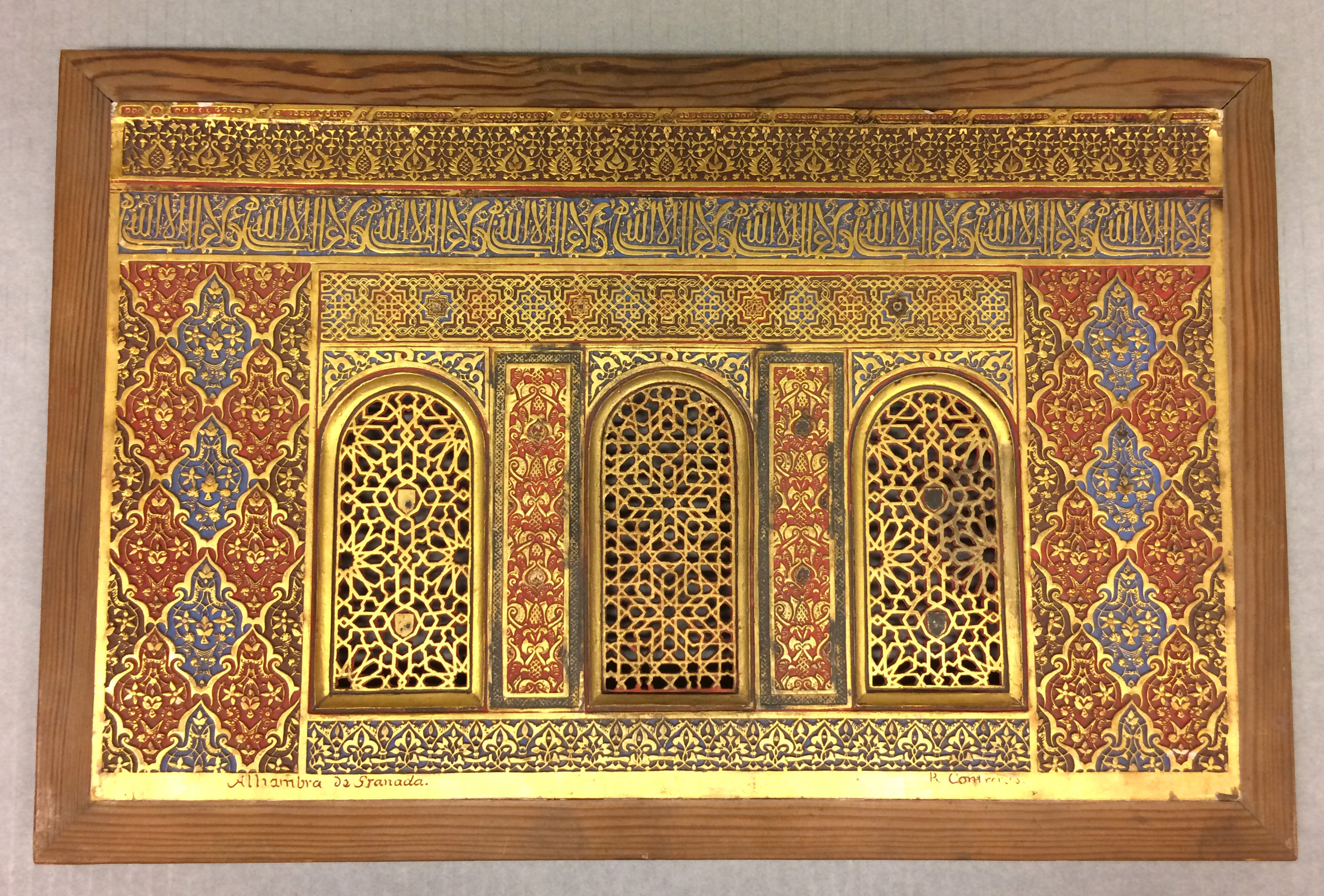
Architectural models, often encased in pristine glass boxes within museums and galleries, invite admiration for their intricate craftsmanship and attention to detail. These miniatures capture the imagination not just because they replicate buildings on a smaller scale, but because they play a crucial role in the world of architecture and design. What is it about these small-scale replicas that amplify their significance beyond mere decorative items?
The answer lies in the power of these models to transform abstract concepts into tangible forms. They serve as a bridge between the world of ideas and the physical reality, allowing architects and designers to present complex spatial concepts in an accessible and comprehensible manner. This ability to make the intangible tangible is what grants these models their influence, shaping perceptions and decisions long before any construction begins.
Models are indispensable tools for architects when it comes to communicating their vision. They distill complex architectural concepts into a form that can be easily understood by clients, investors, and the general public. In doing so, they become powerful persuasive instruments, not merely reducing a building to a model but transforming it into a political or ritual object. This transformation is not just about simplifying aesthetics but about presenting a seemingly authoritative image that can alter the perception of a project from an idea to a reality.
The importance of models in shaping architectural discourse is evident in their prominence within major cultural institutions. At the Museum of Modern Art (MoMA), for instance, architectural models are a central component of the institution’s presentation and collection strategies. They are not mere supplementary displays but are considered both artistic and archival objects that capture architectural ideas. These models provide a tangible form to concepts that might otherwise remain theoretical, playing a critical role in preserving the ephemeral nature of architectural thought.
The Metropolitan Museum of Art further underscores the historical significance of architectural models. For centuries, these miniatures have not only been used as tools to communicate and persuade but also to guide the construction process itself. The Met’s studies on ancient American models reveal how these small-scale representations often served as symbolic embodiments of power. This historical context suggests that reducing a building to a model can elevate its status from a mere technical proposal to a significant cultural artifact.
The scale of a model can dramatically alter the perception and function of the architecture it represents. By compressing the complexity of a full-scale building into a miniature version, models flatten uncertainty into a form of authority. This shift in scale creates a controlled image crucial for negotiation and approval processes, allowing models to not only represent architecture but also to influence its reception and understanding. This ability to project control and authority is essential in architectural negotiations, where models often serve as a form of currency in the exchange of ideas and approvals.
The consequence of recognizing the power of architectural models is profound. They are not passive objects to be viewed but active participants in the creation and interpretation of architecture. As tools of power and interpretation, they help to decide what aspects of architecture become visible, what remains abstracted, and who gets to judge a project’s worth. In this way, models redefine what counts as architecture, influencing the distribution of power between designers, patrons, institutions, and the public.
When next encountering an architectural model, it’s worth considering its role beyond being a mere miniature representation. These models are pivotal elements in the architectural narrative, influencing which buildings get constructed and how they are perceived by society. They are silent yet powerful participants in shaping the built environment, reminding us that what we see isn’t just a reduction in scale—it’s a reduction in uncertainty, a tool of persuasion, and a testament to architectural vision. In this light, architectural models are not just reflections of existing or proposed structures; they are influential components in the ongoing dialogue about what architecture is and what it might become.