The Architectural Niche: A Hole in the Wall With 2,000 Years of Reasons
In many modern homes, niches are present as recessed shelves in spaces like bathrooms or living rooms. They seem intuitive, offering a handy spot for storage or a display area for art and photographs. Yet, these architectural recesses are more than mere conveniences. They are a testament to a design element with a rich history that stretches back thousands of years, reflecting cultural shifts and evolving priorities.
At first glance, a niche might seem like a simple design choice, an indentation in a flat surface to offer a bit of extra space. However, the presence of a niche invites a deeper inquiry: why are these voids in the wall so deliberately included in architecture? To appreciate their significance, one must look back to their origins, where niches were not just functional but symbolic.
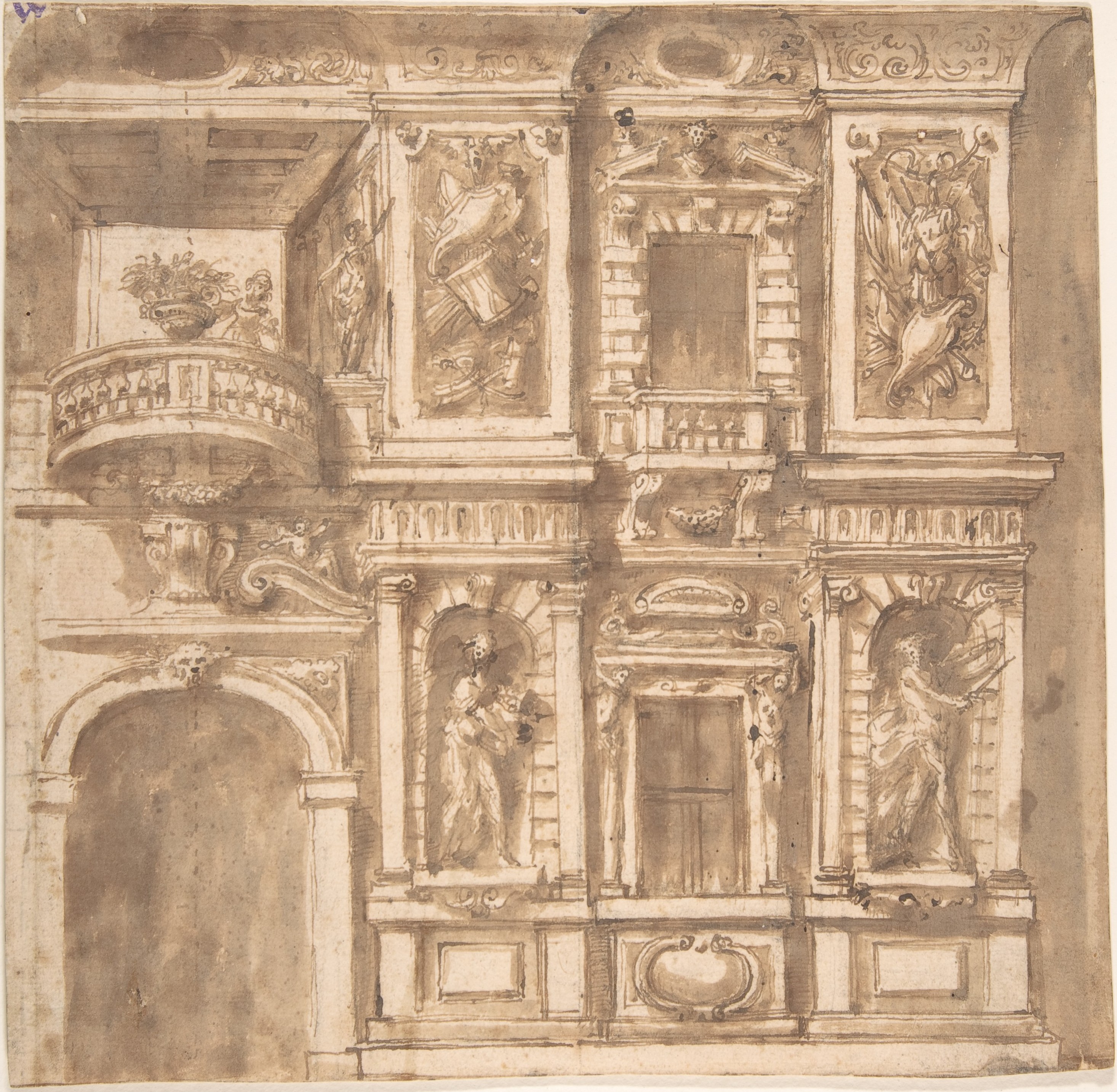
The journey of the architectural niche can be traced back to the Roman Empire, where they were key features in grand imperial buildings. Niches in Roman times were not mere recesses; they were integral to the wall’s structure and often housed statues that conveyed power and divinity. In temples and bathhouses, niches would hold sculptures of gods, emperors, or mythological figures, serving both aesthetic and symbolic purposes. These niches added depth to flat walls, creating a sense of rhythm and hierarchy in vast spaces.
As the centuries wore on, the role of the niche expanded and transformed, particularly in medieval and Renaissance Europe. During these periods, niches became prominent in religious and civic architecture. They served as frames for sacred images and sculptures, emphasizing spiritual themes. In churches, these niches often held statues of saints or altarpieces, focusing the congregation’s attention and enhancing the spiritual atmosphere. By turning the wall’s thickness into a shrine, niches helped guide the viewer’s gaze and elevate the displayed object’s importance.
In the transition to modern interiors, niches have shed some of their grandeur but remain influential in how they organize space and attract attention. In contemporary homes, niches are often found in bathrooms, where they provide practical storage solutions without disrupting the minimalist aesthetic that is popular today. In living rooms, illuminated niches offer a soft ambient glow and create a focused display space for treasured artifacts or art pieces. While the context has changed, the core concept of using niches to highlight certain elements persists.
The evolution of the niche from an emblem of imperial and religious significance to a practical element of interior design illustrates how architectural features can adapt over time. Despite their transformation, niches continue to dictate what catches our eye, subtly influencing how we perceive and utilize space within our homes. The presence of a niche in any setting prompts us to consider its contents as worthy of attention, much like the statues of deities or revered figures of the past.
Moreover, the niche’s ability to provide both utility and aesthetic value makes it a unique architectural feature. Its adaptability is a testament to its enduring appeal across different eras and styles. While niches in ancient Rome communicated power and divinity, today’s niches may simply organize family photographs or collectibles. Yet, they remain a focal point, drawing the eye and providing a moment of contemplation about what is displayed.
This enduring aspect of niches also speaks to the broader human inclination to create order and meaning within space. Just as ancient architects used niches to impart a sense of importance and reverence, modern designers employ them to maintain a sense of order and focus in domestic environments. Whether serving as a shrine for spiritual icons or a shelf for modern memorabilia, niches bridge the gap between the past and present in subtle yet meaningful ways.
The next time you encounter a niche in a home or public building, consider it not just as a decorative or functional feature, but as a living piece of architectural history. This seemingly simple form encapsulates a rich narrative of how we strive to create spaces that reflect our values and priorities. The humble niche, with its roots in ancient empires and sacred spaces, continues to offer a window into the evolving story of human architecture.