Who Decides What Gets Saved? The Hidden Politics of Architectural Heritage
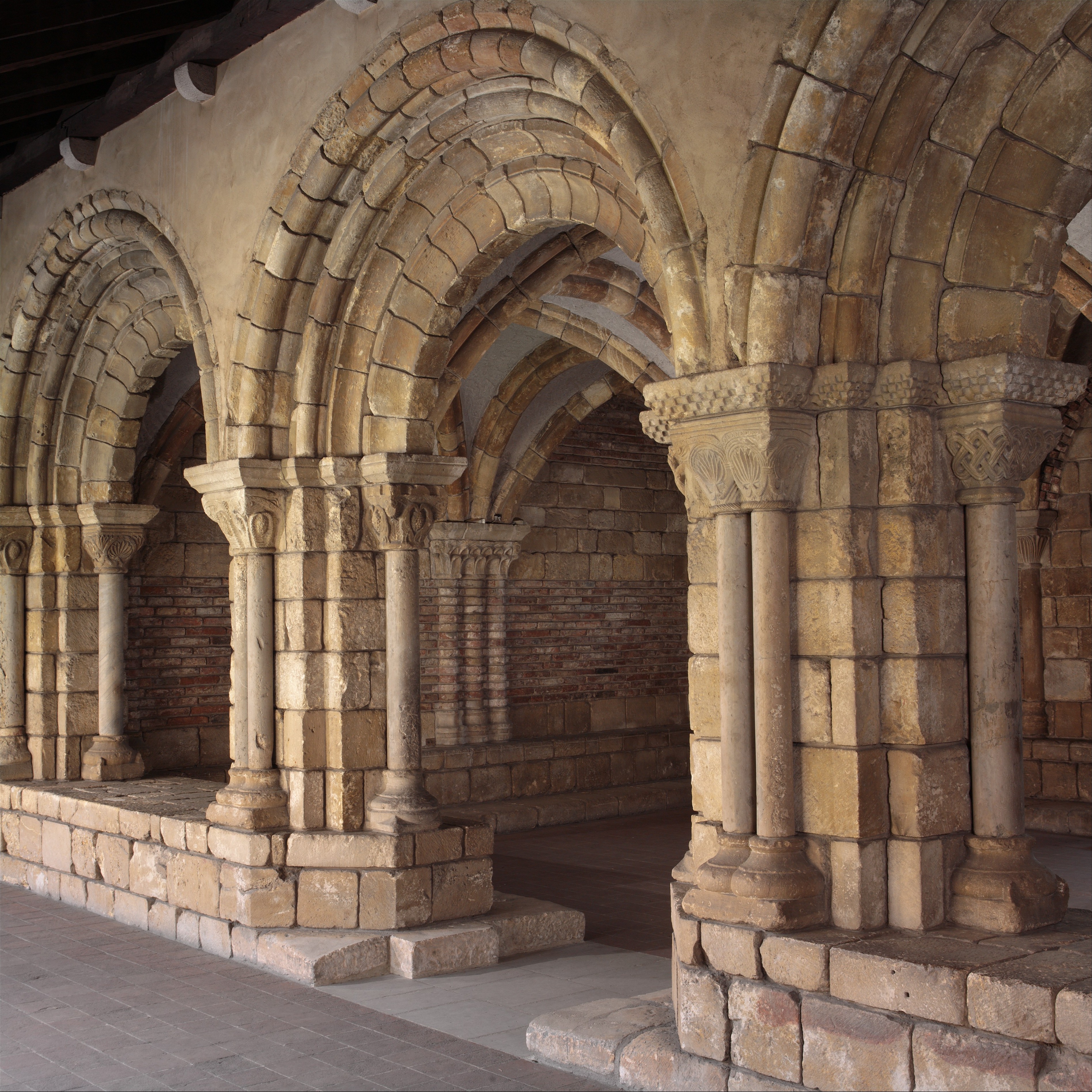
When wandering through the cobbled streets of an ancient city or marveling at the intricate facades of a preserved historic building, one might assume that these sites have always been cherished for their historical and cultural significance. However, the decision to preserve certain structures while allowing others to fade into oblivion involves a complex interplay of politics, cultural values, and historical narratives.
The authority to decide which buildings and sites are preserved often rests with international bodies like UNESCO, national agencies such as the U.S. National Park Service, and advisory organizations like the International Council on Monuments and Sites (ICOMOS). These organizations employ criteria that go beyond mere technical assessments. Though they appear to be objective, these criteria are deeply intertwined with cultural priorities and political agendas.
For example, UNESCO’s World Heritage Committee, composed of representatives from 21 countries, plays a pivotal role in determining which sites are recognized on the World Heritage List. This designation not only brings recognition but often ensures funding and resources for preservation. The criteria used to evaluate sites include factors like integrity and authenticity, yet these terms can be subjectively interpreted based on prevailing cultural norms and political considerations.
In the United States, the National Register of Historic Places and the National Historic Landmarks program use similar criteria to identify sites of national significance. These decisions are not made in a vacuum; they reflect broader societal values and priorities. In many instances, they have historically favored sites that reflect dominant cultural narratives, sometimes at the expense of marginalized communities and their histories.
The recognition and preservation of a site can be a double-edged sword. While it may honor and safeguard important aspects of history, it can also sideline other narratives, effectively deciding which parts of history are worth remembering and which are relegated to the margins. This selective memory is particularly evident in sites associated with conflict or trauma, where the process of preservation can become a contentious issue.
Contemporary preservation efforts are increasingly emphasizing community involvement. UNESCO and other bodies now advocate for the inclusion of local populations and stakeholders in the decision-making process. This shift acknowledges the criticism that heritage preservation has often been dominated by elite or narrow perspectives. By involving those who are directly connected to a site, preservation efforts can better reflect the values and histories of the broader public.
A poignant example of the politics inherent in preservation is the treatment of sites associated with recent conflicts. UNESCO provides guidelines that address how these sites should be handled, considering evolving collective memories and the input of various stakeholders. ICOMOS offers technical and ethical guidance to ensure that such sites are preserved with respect to their universal value and significance.
The implications of these decisions are far-reaching. They shape cultural narratives and influence national and local identities. By deciding which sites are preserved, we are also deciding which stories are told and which are forgotten. This can validate certain cultural identities while marginalizing others, making heritage designation a potential battleground for competing narratives and interests.
In recent years, there have been numerous controversies over heritage preservation, with communities, governments, and experts often at odds over what should be saved. These debates underscore the fact that heritage preservation is not just a technical exercise but a deeply political one that reflects broader social dynamics.
The next time you visit a historic site, consider the intricate processes and negotiations that have led to its preservation. Behind every preserved structure lies a tapestry of decisions that reveal whose histories are prioritized and whose are overlooked. Recognizing this can deepen our appreciation of these sites and the stories they embody, reminding us that what we choose to preserve today will shape the cultural landscape of tomorrow.