Why Rooms Still Wear Baseboards

When you walk into a room, it’s easy to overlook the strip of material running along the bottom of the walls. These baseboards often go unnoticed, perceived as mere decorative trim. However, they serve a far more critical purpose than simple aesthetics. At the intersection of the wall and floor, baseboards play an essential role in managing construction tolerances, protecting surfaces, and echoing historical design traditions.
Baseboards address the inherent imperfections found in home construction. Walls are seldom perfectly straight, and floors can settle or shift over time, leading to gaps and misalignments at the junction where they meet. This is where baseboards come into play, cleverly concealing these imperfections. By bridging the gap, they ensure that rooms have a finished and polished appearance.
Beyond covering flaws, baseboards act as a guard for the walls. They provide a barrier against everyday impacts from vacuums, mops, and furniture, preventing scuffs and damage that can occur from regular use. This protective function is especially important in high-traffic areas, where the risk of such wear and tear is higher.
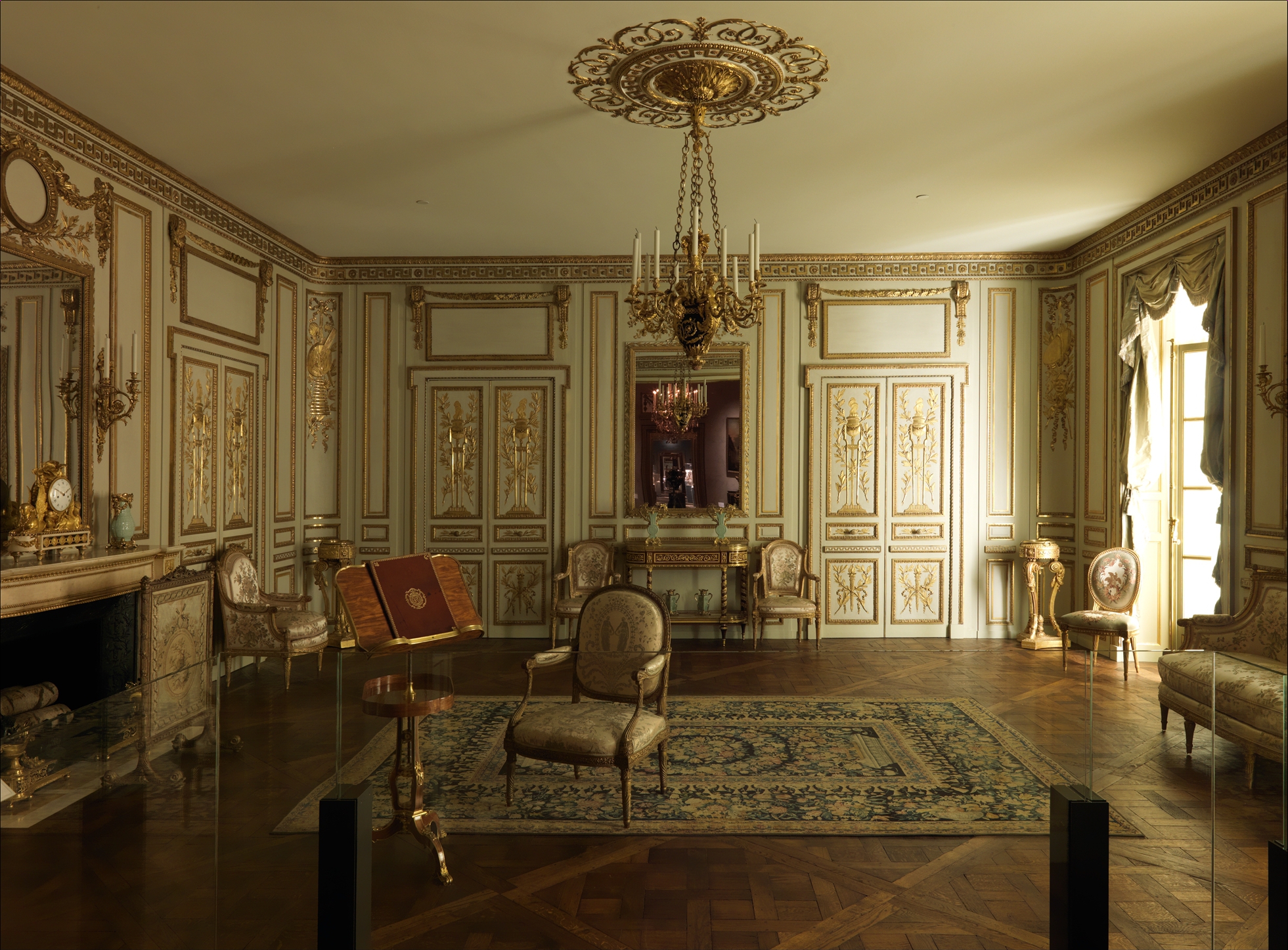
The use of baseboards is also deeply rooted in historical design principles. Their origins can be traced back to classical architecture, where they were part of intricate systems of moldings and paneling. These systems served both practical and decorative purposes, accommodating the natural expansion and contraction of materials. The moldings were often elaborate, with the size and detail serving as an indicator of the owner’s wealth and social status. In grander buildings, larger and more ornate baseboards were a sign of prestige.
As architectural styles have evolved, the role of the baseboard has shifted but remained significant. In modern design, there is often a preference for minimalism, which has led to more subdued baseboard designs. Instead of the bulky trims of the past, contemporary baseboards might be designed as subtle shadow lines or reveals, turning the seam itself into a focal point rather than something to be hidden.
The installation and appearance of baseboards can vary depending on the type of flooring used. For instance, when installed alongside wall-to-wall carpeting, baseboards might be set differently than with hardwood floors. This requires precise scribing to match the floor’s profile, ensuring a seamless transition between surfaces. Such attention to detail underscores the baseboard’s role in a room’s overall design and functionality.
Without baseboards, rooms would appear unfinished, lacking the crisp lines and definition that they provide. They contribute significantly to the room’s aesthetic while also serving practical purposes. This balance between form and function is why baseboards have endured through centuries of architectural evolution.
Next time you notice that strip at the bottom of your walls, consider the layers of history and utility it represents. Baseboards are a testament to the ongoing dialogue between architecture’s aesthetic goals and its practical needs. Their presence is a quiet acknowledgment of the past, present, and future of interior design, providing both a functional benefit and an historical nod to the sophistication and complexity of our built environments.