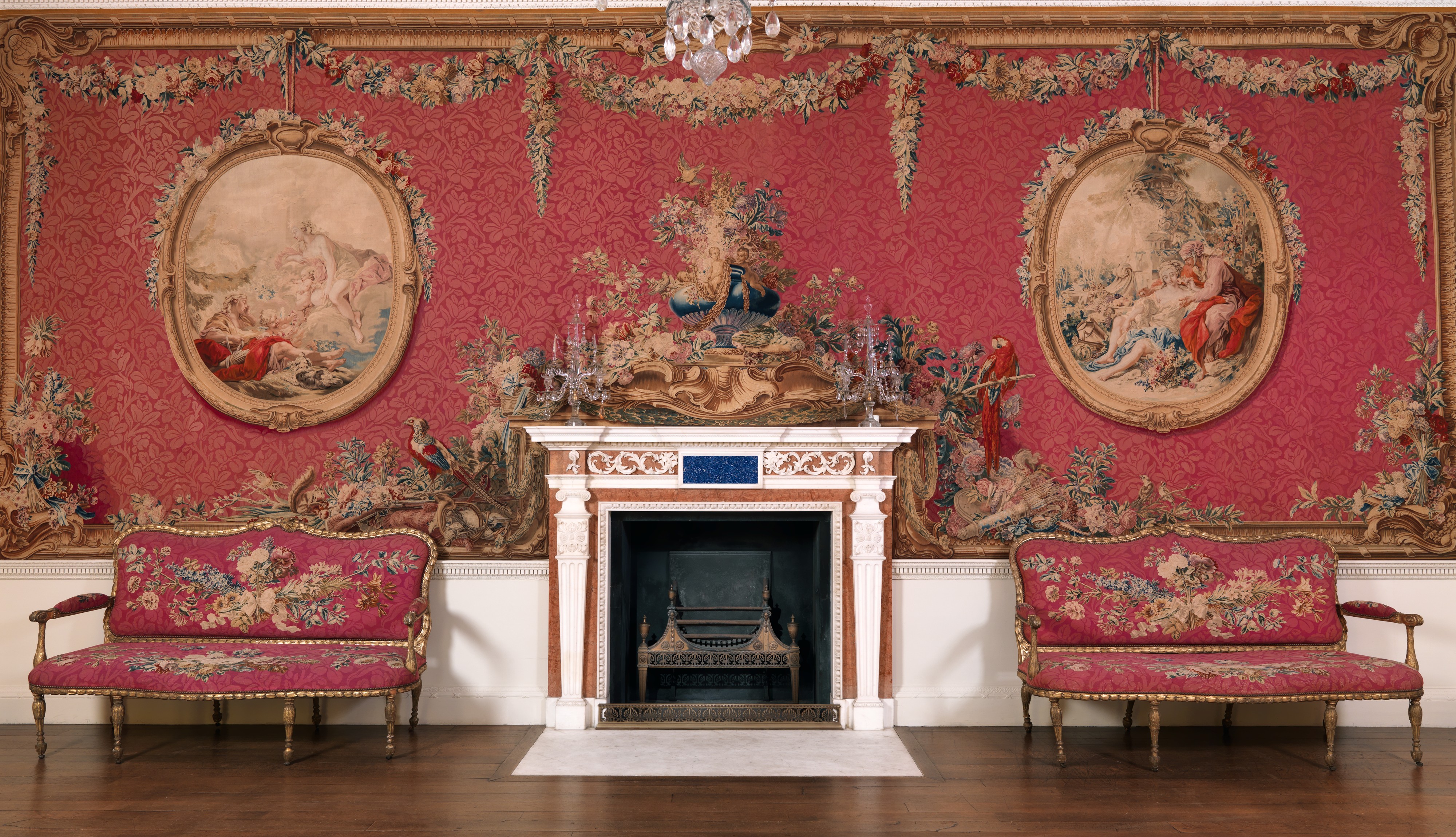
Wallpaper as Evidence: How Patterns Reveal Lost Interiors

Wallpaper, a ubiquitous presence in many homes, often is considered nothing more than an aesthetic choice. A backdrop for daily life, it is selected to complement furniture, create ambiance, or simply add a splash of color. Beyond this superficial role, however, wallpaper holds a deeper significance that is often overlooked. It can serve as a key to unlocking the hidden histories of the spaces it adorns, offering insights into the chronological changes, social narratives, and technological advancements that shaped a room over time.
The simple act of peeling back layers of wallpaper can reveal a rich timeline of a room’s history. Each layer provides evidence of when and how the space has been altered. Beneath the visible patterns lie remnants of previous wallpapers, which are often uncovered behind panels or beneath skirting boards. These fragments serve as a chronological map, guiding historians through the stylistic and functional shifts that have occurred. Museums, such as the Victoria and Albert Museum, have documented numerous cases where these hidden layers have unveiled significant historical data about a building’s past, illuminating the work of designers like Augustus Pugin, whose influence can be traced through such physical remnants.
However, wallpaper tells more than just the story of when a room was last decorated; it speaks to the lives of those who inhabited the space. The selection of patterns and materials reflects the personal tastes, economic conditions, and even health concerns of past occupants. For instance, the emergence of washable wallpapers in the 19th century was a direct response to the increasing awareness of urban pollution and the need for practical, hygienic solutions in home decorating. These wallpapers, designed to be easily cleaned, symbolize a shift in domestic priorities, where sanitation became intertwined with aesthetics.
The historical value of wallpaper extends beyond physical remnants. Conservators and researchers often rely on sample books and archival documents to piece together the past. These resources provide context for the fragments found in situ, offering a glimpse into the popular styles and preferences that prevailed during different periods. Projects like the V&A’s Morris & Co. initiative highlight how these documentary sources can enhance our understanding of the physical evidence, creating a more comprehensive picture of historical interiors.
Treating wallpaper as more than mere decoration transforms our perception of interior spaces. It invites us to consider the layers of human activity that have unfolded within walls, to appreciate the cultural and technological shifts that have influenced domestic environments. The patterns and textures that adorn our homes are not just artistic choices; they are records of societal change, economic shifts, and evolving lifestyles.
The next time you stand in a room, take a moment to consider the wallpaper not just as a decorative element, but as a canvas for history. The stories embedded in its layers offer a unique perspective on the past, encouraging us to look beyond the surface and appreciate the rich tapestry of human activity that has shaped our living spaces. Through this lens, wallpaper becomes a testament to the passage of time and the ever-evolving narrative of the places we call home.