Why the open window became a design ideal — and when it stopped being one

The open window has long been a ubiquitous element of architectural design, yet its significance extends beyond its role as a mere passage for light and air. Historically, it was more than a structural necessity; it was a symbol of health, virtue, and an integral part of domestic life. The evolution of the open window from a vital feature of home design to its reduced importance in contemporary architecture offers a fascinating insight into how our relationship with the built environment has morphed over time.
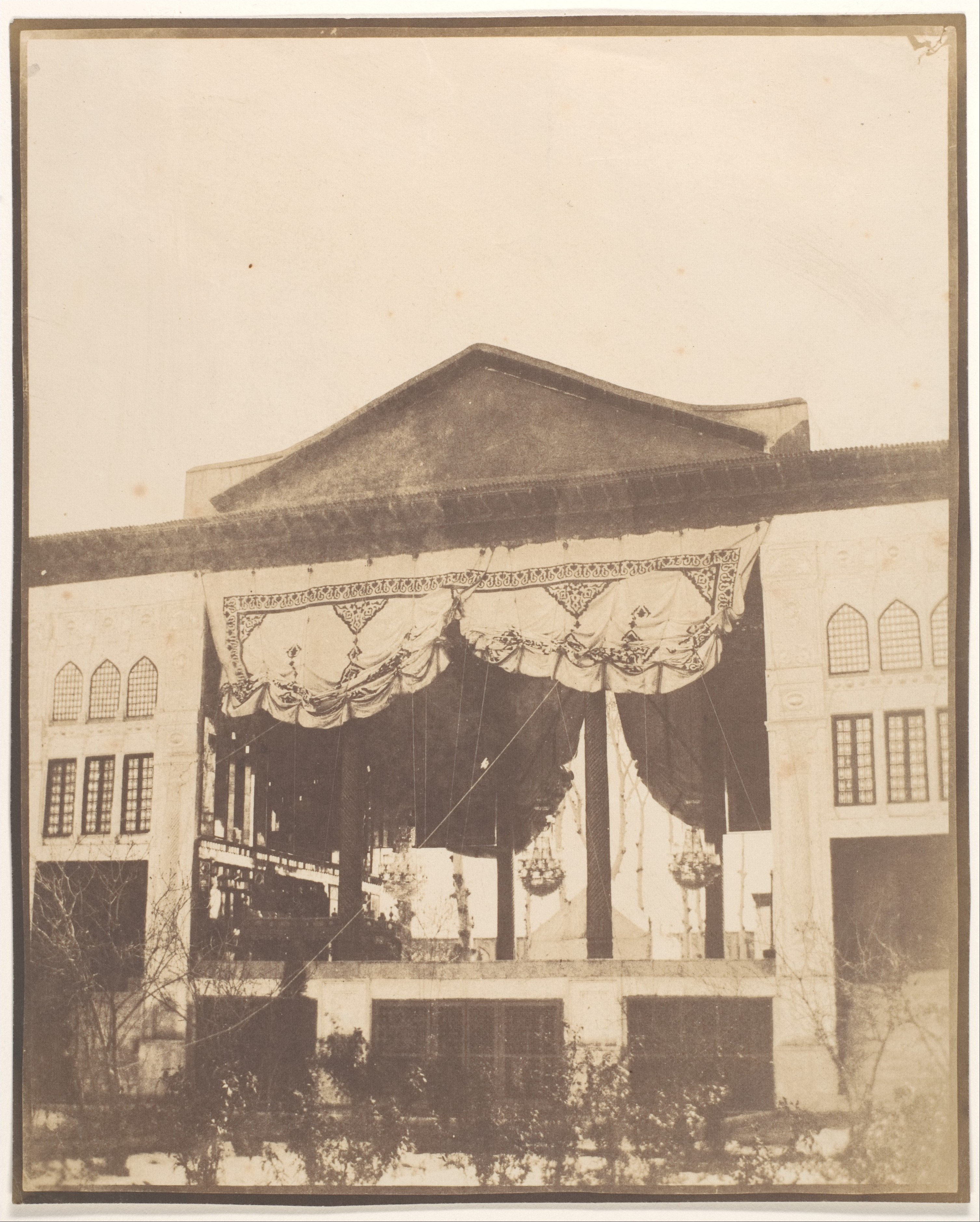
In the 19th century, the act of opening a window was intertwined with societal values and health imperatives. During this era, ventilation was considered a domestic responsibility and a moral obligation. It was believed that fresh air circulating through a home was essential for preventing illness and maintaining a morally upright household. Windows were designed to facilitate this airflow, part of a broader system that included various coverings like shutters and curtains to manage light and privacy while allowing for ventilation.
By the early 20th century, the principles of modernist architecture began to reshape the perception of windows. Architects of this movement championed the use of glass and open spaces, emphasizing the importance of light and air for a healthier living environment. Windows became larger and more expansive, symbolizing transparency and a new way of interacting with the world outside. This architectural shift was not just about aesthetics; it was a statement about the ethical and social benefits of connecting indoor spaces with nature.
However, as technology advanced, particularly with the advent of air conditioning, the necessity of open windows started to decline. Air conditioning offered a way to control the indoor climate with precision, making it possible to maintain comfort without relying on natural ventilation. Buildings, especially office spaces, began to feature sealed facades that eliminated the need for operable windows. This transition marked a significant shift in architectural design, prioritizing controlled environments over traditional methods of ventilation.
The decline of the open window was further accelerated by urbanization. As cities expanded and became more congested, the disadvantages of open-window ventilation became more pronounced. Noise pollution, air quality issues, and security concerns made the idea of open windows less appealing. Sealed environments were seen as a solution to these urban challenges, providing a controlled and secure indoor space free from the chaos of the city outside.
Today, our built environments are largely characterized by sealed, climate-controlled spaces. While this shift has brought significant benefits in terms of comfort and energy efficiency, it has also sparked a renewed interest in the benefits of natural ventilation and passive design strategies. The open window, once a vital component of home design, is being reconsidered in the context of sustainable architecture and the growing awareness of environmental impacts.
This reconsideration is partly driven by the drawbacks of completely sealed environments. There is increasing recognition that natural ventilation can contribute to indoor air quality and occupant well-being. Additionally, as energy efficiency becomes a priority, the role of passive design strategies, including the strategic use of windows, is gaining attention. Designers and architects are exploring ways to integrate these age-old principles into modern construction, seeking a balance between technological advancements and the benefits of natural systems.
Thus, the open window, a seemingly simple architectural feature, serves as a lens through which we can examine our evolving relationship with the environment, health, and comfort. Its journey from a symbol of virtue and health to a casualty of modern design reflects broader changes in society’s values and technological capabilities. As we move forward, there is a growing opportunity to blend the lessons of the past with the innovations of the present, redefining the role of the open window in the architecture of the future.