How ornament survives after its original job disappears

In the world of architecture, where function often seems to dominate over form, the presence of intricate decorative elements like mouldings, cornices, and pilasters might appear purely aesthetic. Yet, these elements are more than mere adornments; they are the enduring vestiges of a time when they fulfilled essential structural roles. Their continued presence in both historical and modern buildings prompts a deeper inquiry into why they persist long after their original purposes have faded.
The story of architectural ornamentation begins in ancient times, when building elements were designed with specific functions. For instance, mouldings and cornices were not just decorative; they played a crucial role in the structural integrity of buildings. Originally, mouldings served as a means to cap walls and redirect rainwater, preventing it from seeping into the building and causing damage. Cornices, with their projecting profiles, protected the structural joins at the tops of walls, providing a vital defensive barrier against the elements.
As time progressed and architectural techniques evolved, the necessity for these specific functions diminished. Advances in construction materials and methods reduced the reliance on decorative elements for structural support. However, the visual language established by these features had already become deeply ingrained in architectural design. This language, characterized by the classical orders and their distinct profiles, continued to influence architects and builders for centuries.
The persistence of these forms can be attributed to their ability to convey both stability and craftsmanship. Even when their practical functions became obsolete, the aesthetic and symbolic value they provided remained significant. During the Renaissance and subsequent neoclassical revivals, architects deliberately incorporated these elements to evoke the grandeur of ancient architecture. They became emblematic of cultural heritage and artistic achievement, serving as a bridge between past traditions and contemporary design.
Historical documentation reveals the transformation of these elements from functional necessities to stylistic choices. Institutions like the National Gallery of Victoria (NGV) highlight how structural components inspired later ornamental forms. Furthermore, research from Oxford Academic delves into the protective roles that mouldings played in Roman architecture, while the British Museum’s documentation of classical profiles showcases their integration into early building systems. These studies illustrate how these features were indispensable in ancient construction.
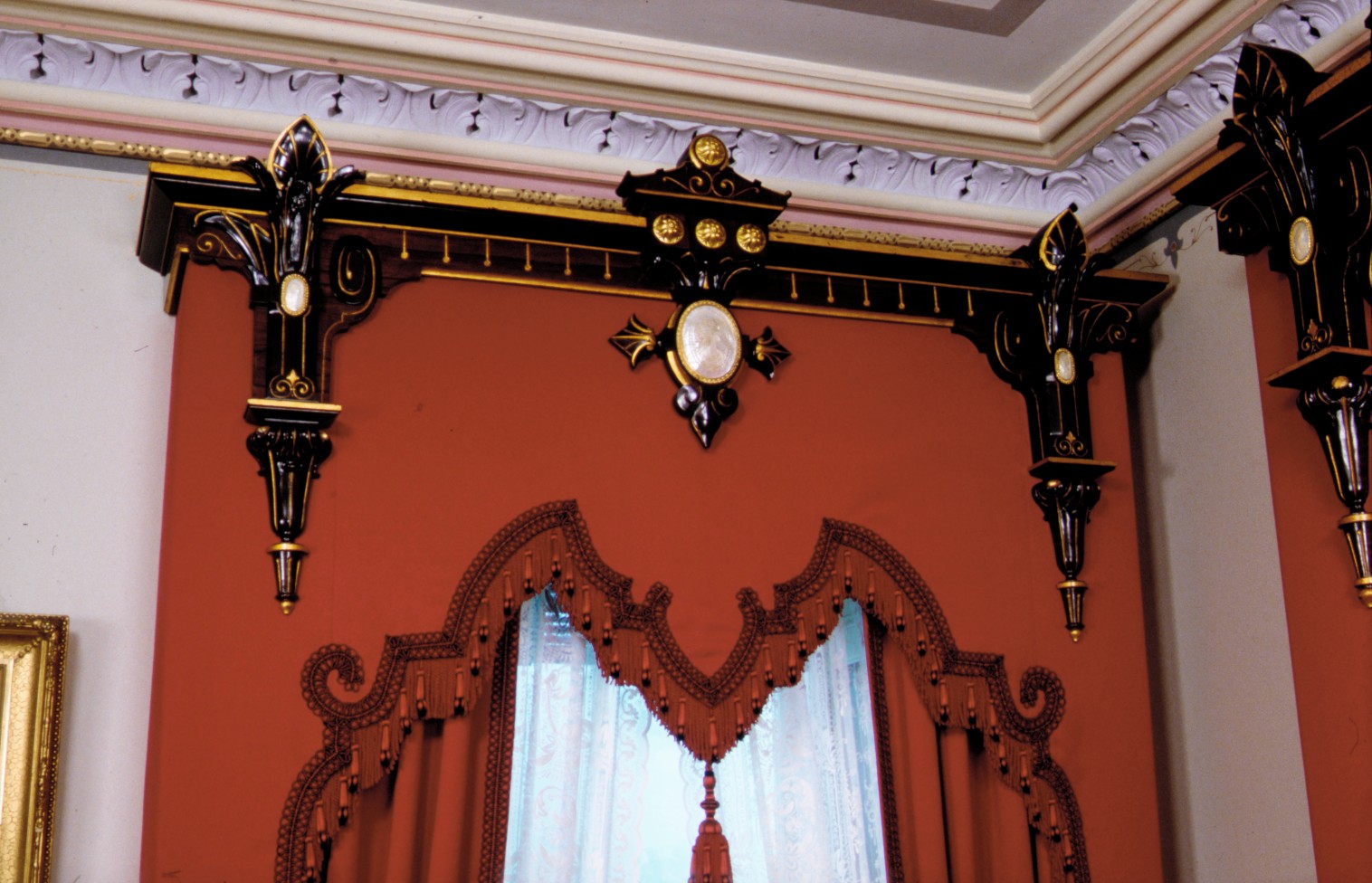
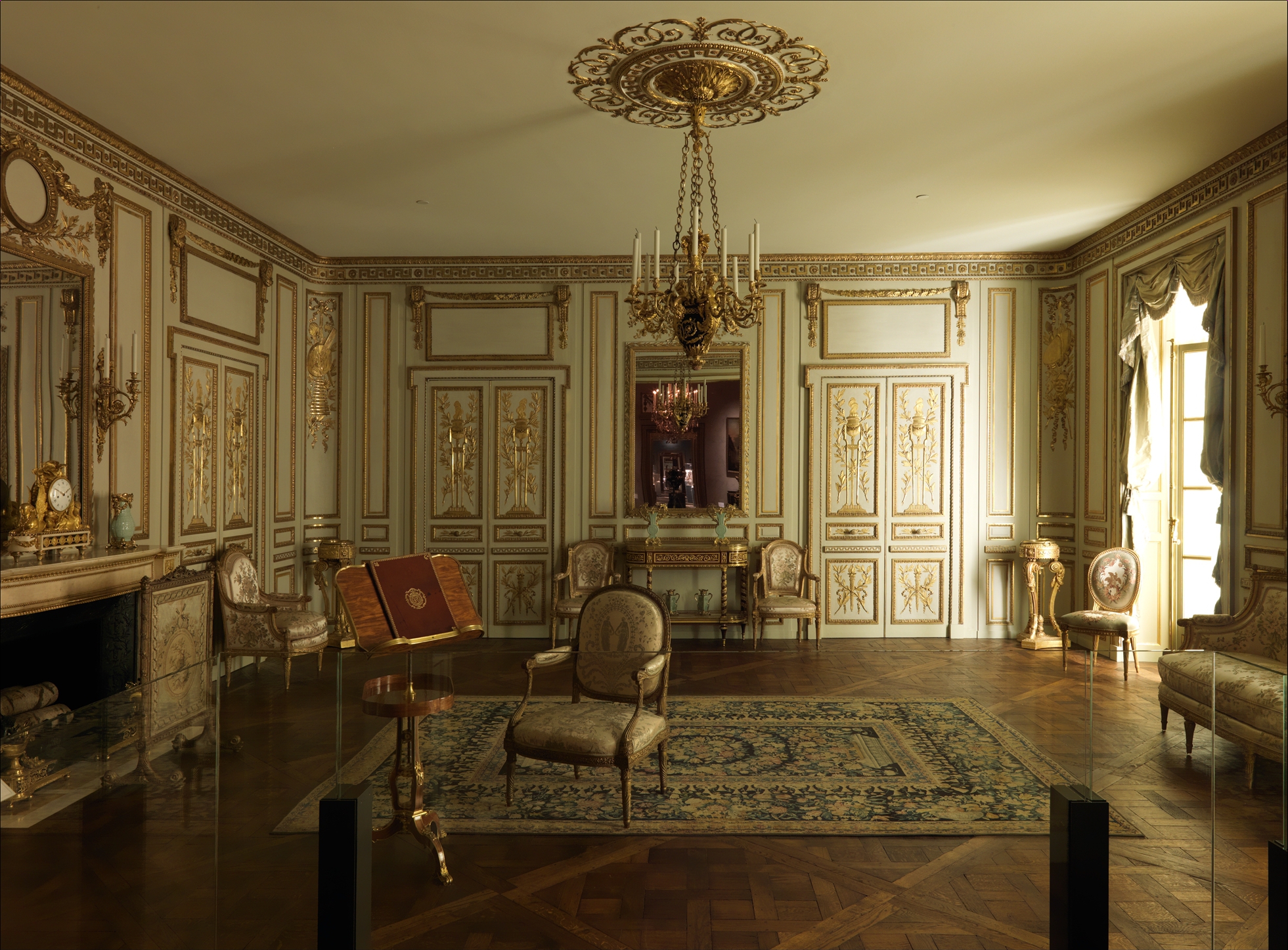
Today, these decorative motifs are ubiquitous in various architectural styles, from classic to modern. They continue to offer a sense of hierarchy, subtly guiding the eye and enhancing the perception of a space. In modern interiors, mouldings and cornices delineate spaces, frame walls, and add a touch of sophistication, even if they no longer serve their original structural purposes. Their presence in contemporary architecture is a testament to their enduring appeal and the human penchant for connecting with history through design.
The consequence of this enduring legacy is a rich architectural vocabulary that transcends time and technology. These elements, once practical necessities, have become symbols of stability, craftsmanship, and elegance. They allow us to experience a sense of continuity with the past, reminding us of the ingenuity of ancient builders and the timelessness of certain design principles.
Next time you stand in a room adorned with intricate mouldings or gaze at the facade of a neoclassical building, consider the layers of history these features represent. They are more than just decorative; they are a testament to the evolution of architecture and an ongoing dialogue between form and function. By appreciating these ornamental elements, we engage with a legacy that celebrates both the beauty and utility of design, encouraging us to view the built environment through a lens of historical awareness and artistic appreciation.