The hidden room as a design feature, not a gimmick

The concept of hidden rooms and secret passages often evokes images of mystery novels, adventure films, and childhood fantasies. These concealed spaces have long captured the imagination, suggesting secret meetings, hidden treasures, or clandestine escapes. But beyond the realm of fiction, these architectural features serve a more practical and intentional purpose. In fact, hidden rooms are not merely whimsical additions; they are a sophisticated design tool used to control privacy, visibility, and social dynamics within a space.
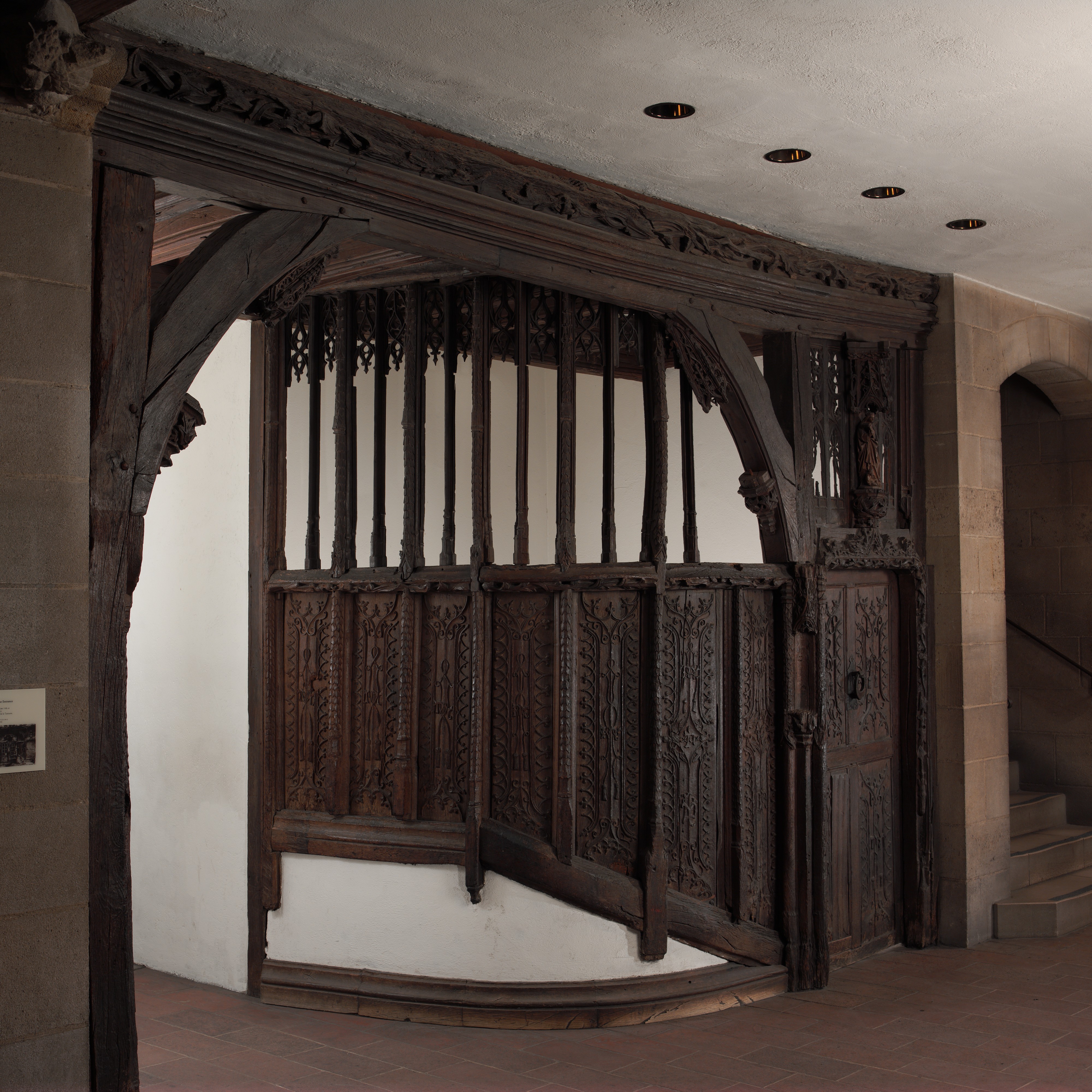
The fundamental question arises: why do architects choose to conceal parts of a structure? To answer this, we must delve into the historical and social contexts in which hidden rooms have been employed. Historically, these spaces played a crucial role in managing social hierarchies and maintaining privacy. In grand homes and castles of the past, hidden rooms and passages were not just about secrecy; they were about control. They allowed inhabitants to navigate between public and private spheres discreetly, shield certain activities from view, and manage who had access to different areas of a building.
Consider the architecture of historic estates, where the separation of public and private spaces was paramount. In these settings, hidden rooms often served practical functions. For example, in many European castles, secret passages were vital for concealing the movement of servants and facilitating their duties without disrupting the household or its guests. These spaces ensured that the operations of the household remained unseen, maintaining the illusion of effortless hospitality.
The luxurious homes of the Ottoman period offer another perspective, where hidden cupboards and alcoves were strategically placed to manipulate attention. These architectural elements controlled what visitors could see, creating a selective visibility that influenced social interactions and perceptions. Such designs were not merely for show but were carefully crafted to manage the flow of information and people within the space.
In modern architecture, the concept of concealment continues to be relevant, albeit through more technologically advanced means. Museums, for instance, often use hidden architectural elements to curate the visitor experience. By employing concealed walls and slits, they guide visitors through exhibits, controlling what is visible and what remains hidden, thus shaping the narrative of the space. This strategic use of space ensures that visitors engage with the exhibits in a manner that aligns with the institution’s intentions.
Similarly, contemporary homes incorporate hidden spaces to maintain aesthetic purity and hide unsightly elements such as wiring, plumbing, or technical systems. By concealing these functional elements, architects can focus on creating clean lines and uncluttered spaces that appeal to modern sensibilities. Here, the hidden room or concealed space is as much about practical function as it is about maintaining a particular form.
The impact of these hidden spaces is profound. By controlling visibility and access, architects influence how individuals experience and interact with a space. These design choices subtly affect social interactions and power dynamics within the environment. What may initially appear as a playful or mysterious feature is, in reality, a deliberate strategy to manage the movement of people and information, creating distinct boundaries between what is visible and what is not.
Understanding the role of hidden rooms in architecture encourages us to reconsider how we perceive and interact with built spaces. These concealed features are more than mere tricks or gimmicks; they are integral to the functionality and experience of a building. They remind us that what lies hidden can be just as important as what is in plain sight, influencing our perceptions and interactions in ways we might not immediately recognize.
The next time you find yourself in an architectural space, take a moment to consider what might be concealed behind the walls. Hidden rooms, far from being mere curiosities, are an essential tool in the architect’s repertoire, shaping our experiences and interactions in subtle and significant ways. By appreciating these elements, we gain a deeper understanding of the complex interplay between architecture, privacy, and social dynamics.